Vassar Jewish Studies Newsletter

← Projects

Documentary The project from research to finished scroll.
Two facing folios of the c. 1300 Griffins' Head Haggadah: griffin-headed Jews preparing matzot at left; griffin-headed Jewish warriors confront a chariot of blank-faced Egyptians at right.
The fourteenth-century Griffins’ Head Haggadah (Israel Museum, MS 180/57), c. 1300 — the manuscript that gave the new Megillah its visual language. Griffin-headed Jews tend the matzot at left; at right, blank-faced Egyptian antagonists — Pharaoh and his host — are urged on by turncoat Jewish taskmasters (with griffin heads).
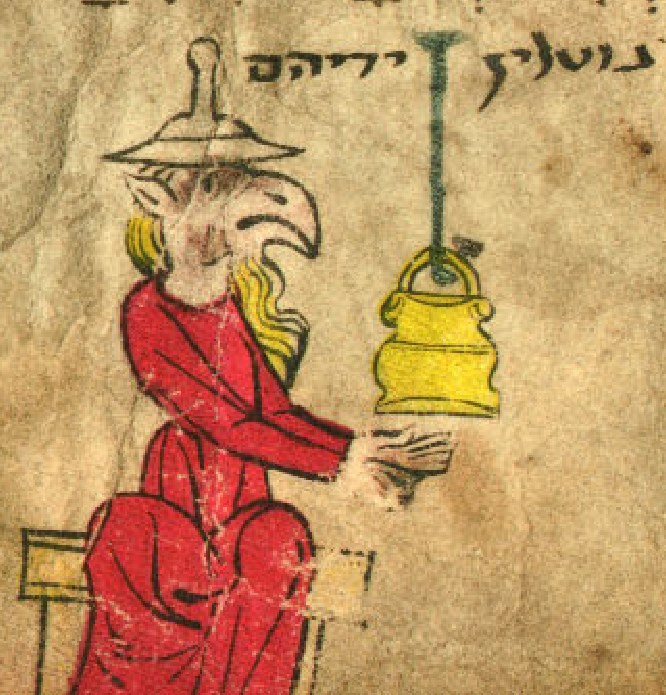
A page detail from the Griffins' Head Haggadah: a single griffin-headed Jewish figure washing his hands at the Seder.
A single-figure detail from the Mainz manuscript — a griffin-headed figure representing a contemporary (medieval) Jew ritually washing his hands at the Seder.

I’ve been teaching at Vassar College since the late twentieth century — 1991, to be precise — both in Religion and in Jewish Studies. I’m interested in majority–minority relations: how Christianity started out as a subset of Judaism and how that changed over the centuries; how Jews and Muslims maintained their identities in the heavily Christian European Middle Ages. I work with art and artifacts, and I teach courses in Religion and the Arts. Often I share with students what culture looks like when it is produced for a minority within a larger and often hostile majority — how it may encode messages of protest, or dreams of subversion.

One of my favorite examples of this phenomenon is the somewhat bizarre Griffins’ Head Haggadah, created in what is now Germany — probably in Mainz, around 1300 — and now in the Israel Museum, Jerusalem (MS 180/57). It is one of the masterpieces of art made for Jewish patrons in the Middle Ages: the earliest surviving illustrated version of the haggadah, the “script” of the Seder, the service for Passover eve. The Griffins’ Head Haggadah possesses all the classic qualities of a perpetual enigma. Within the rather modest field of Jewish visual culture it is, in its own unassuming way, as mysterious as the Pyramids of Giza, the monoliths of Easter Island, or Mona Lisa’s smile. The manuscript’s forty-seven remaining folios are graced with two full-page illuminations and thirty-three pages of marginal illustrations: figures young and old, male and female, enacting the narratives of the Exodus and engaged in the religious observance of Passover eve.

Curiously, although given the bodies of human beings, these figures are in most cases represented not with human heads but with the countenances of sharp-beaked, sharp-eyed birds. In some cases the bird heads are supplemented by animal ears. To the twenty-first-century eye, the juxtaposition of human bodies with birds’ heads is quirky, disquieting, seemingly impenetrable. It is susceptible to all the most compelling modes of interpretation; it is a riddle to be solved, a treasure hunt to be embarked upon.

In my research for The Medieval Haggadah: Art, Narrative & Religious Imagination (Yale, 2011), I developed what was an initially controversial — now commonly accepted — thesis: that the creatures depicted are not, in fact, birds, but griffins, lion-eagle hybrids present in the biblical accounts of the Israelite Wilderness Tabernacle and, later, in Solomon’s Temple. For medieval Jews in the German lands, these creatures had political as well as religious resonances. The Imperial Eagle evoked Jews’ status as servi camerae regis — “serfs of the Imperial Chamber.” Jews were both subject to a special status as “slaves of the Emperor” and, as the Emperor’s personal property, protected within the Holy Roman Empire. The Lion of Judah simultaneously reminded Jews of their identification with their own heritage and tradition. Indeed, Jews killed in the Crusade massacres in Mainz — where the manuscript was likely made — were described by the mourners who survived them as “lighter than eagles” in the way they lived, and “bolder than lions” in the manner in which they faced their deaths. Non-Jews, in the manuscript, are depicted blank-faced: their erasure visually demonstrating a sharp political response to anti-Jewish sentiment among Christians and to its consequences in anti-Jewish violence in the Christian Middle Ages.

Leaping from haggadah to megillah

Re-using a medieval visual grammar for a different festival, creating a different ritual object with a different text.

Animation The griffin-headed cast brought to life. Credit: Shay Hamias.

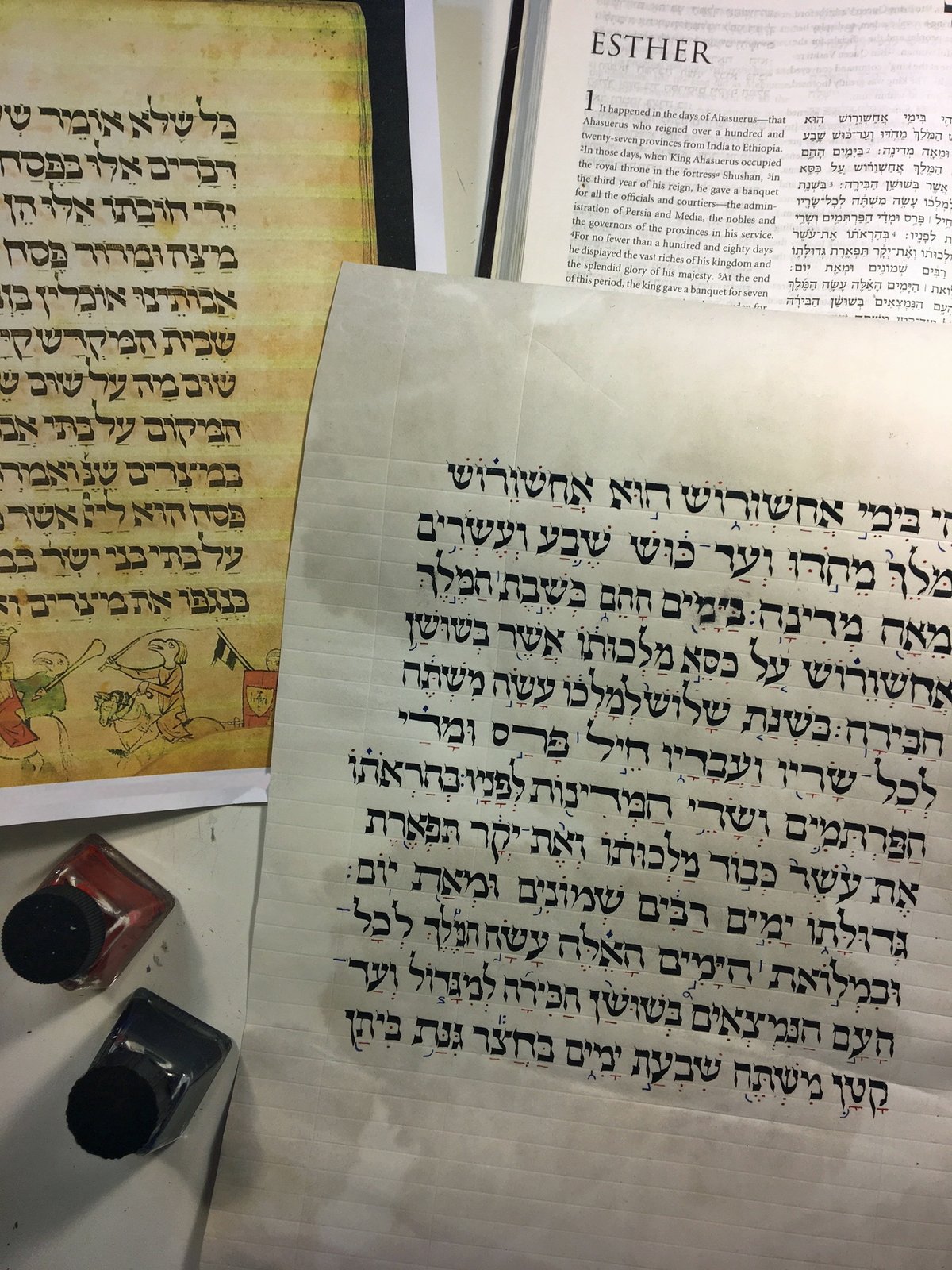
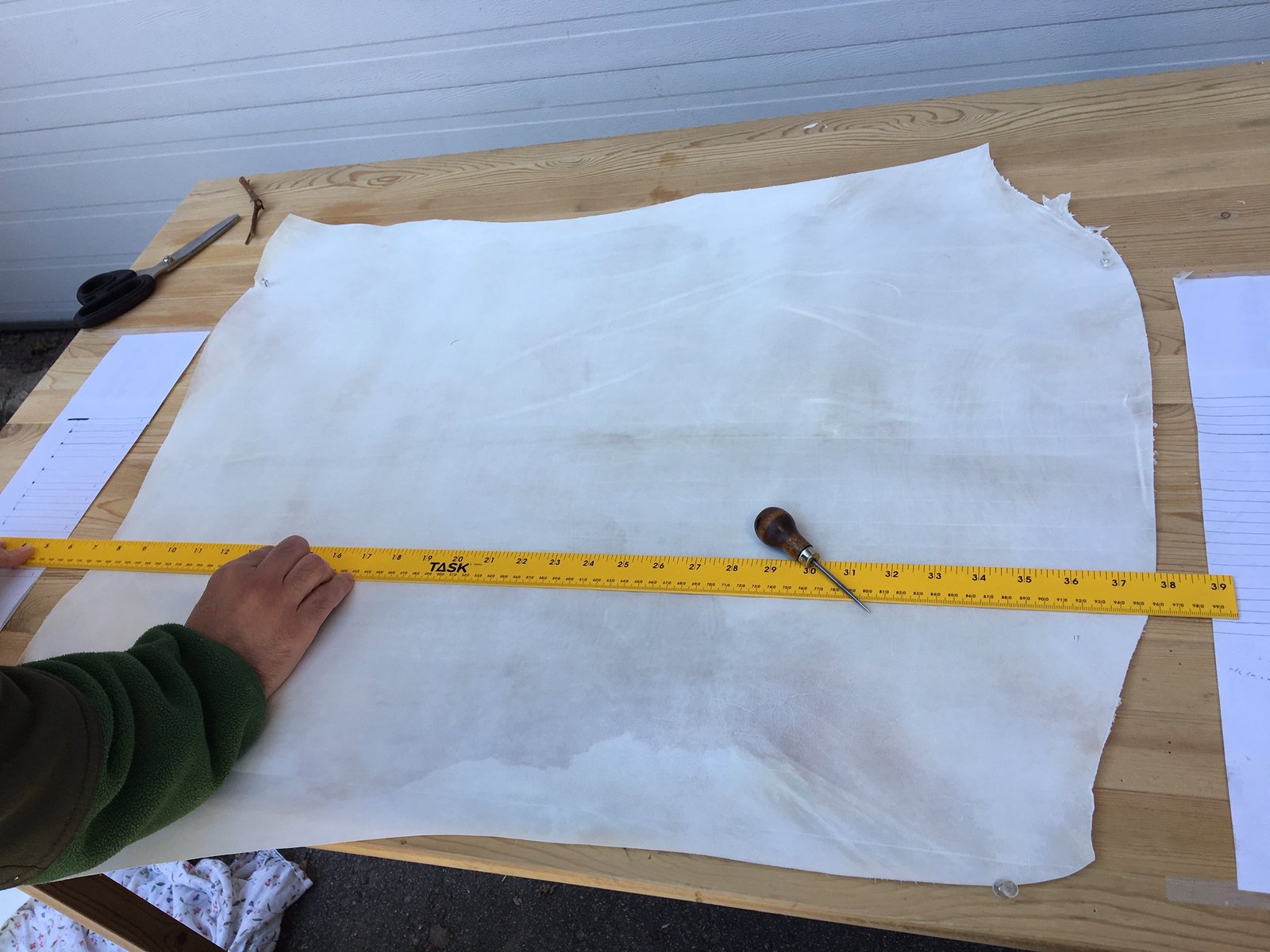
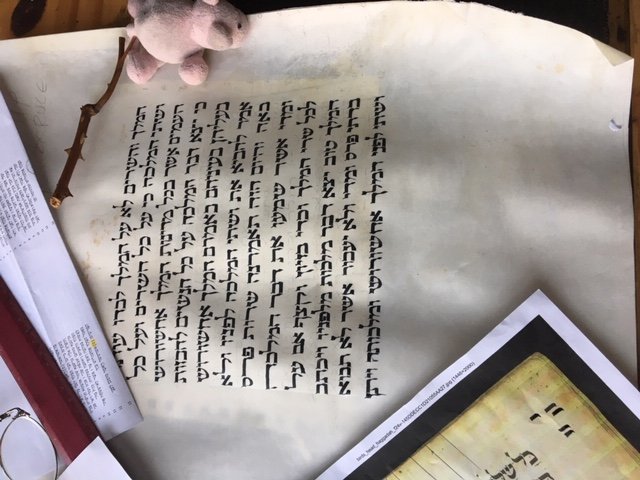
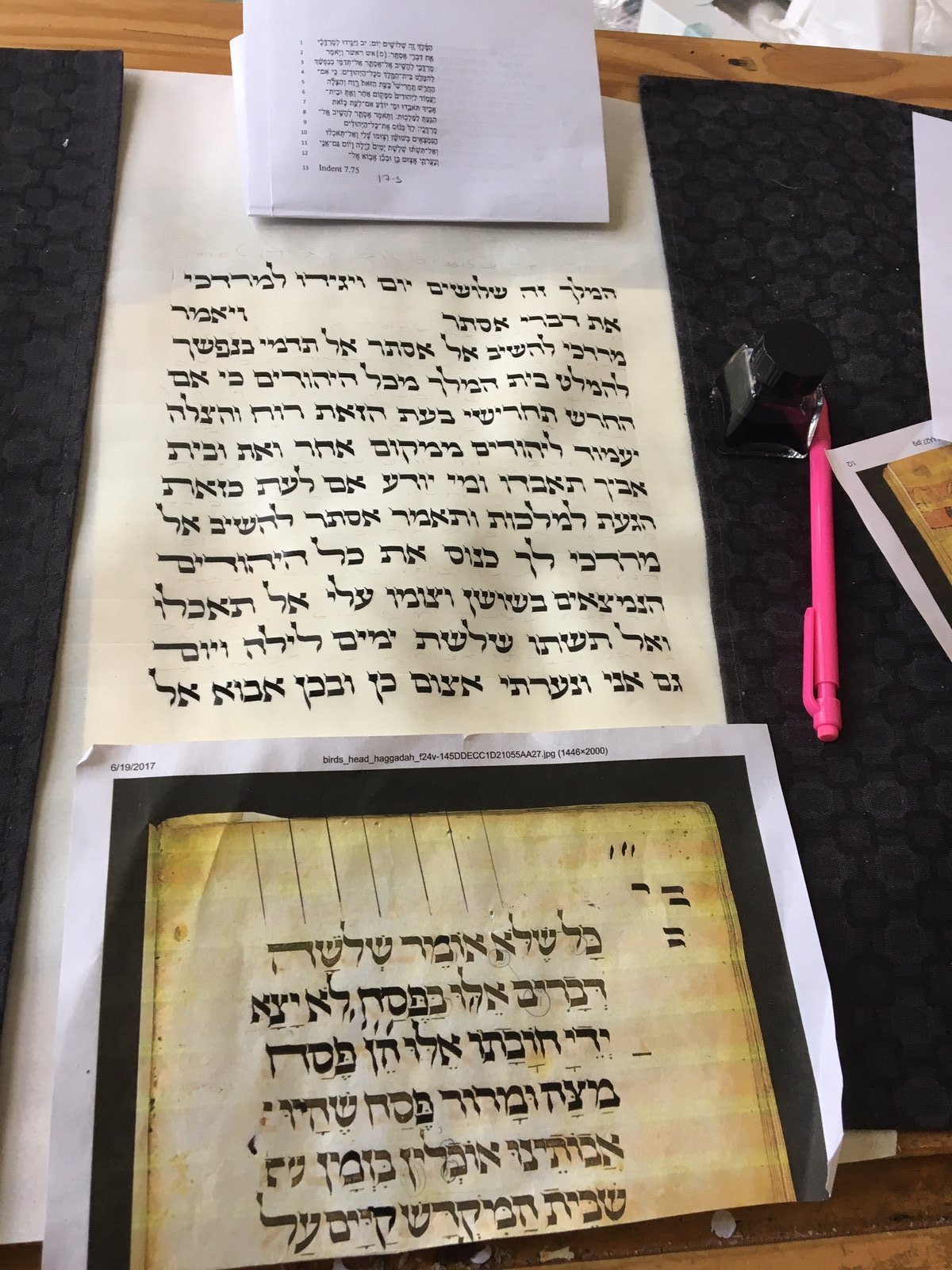
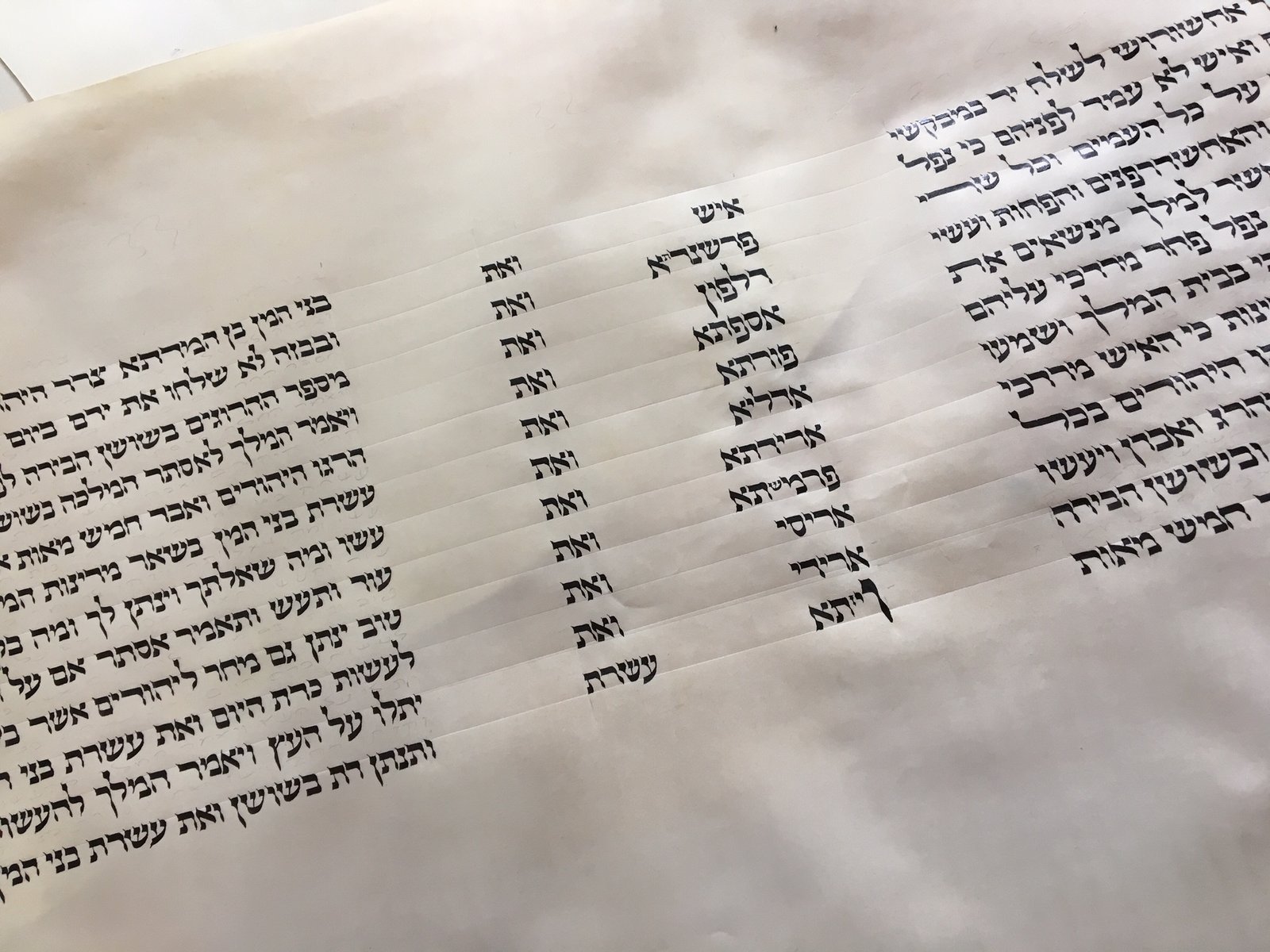
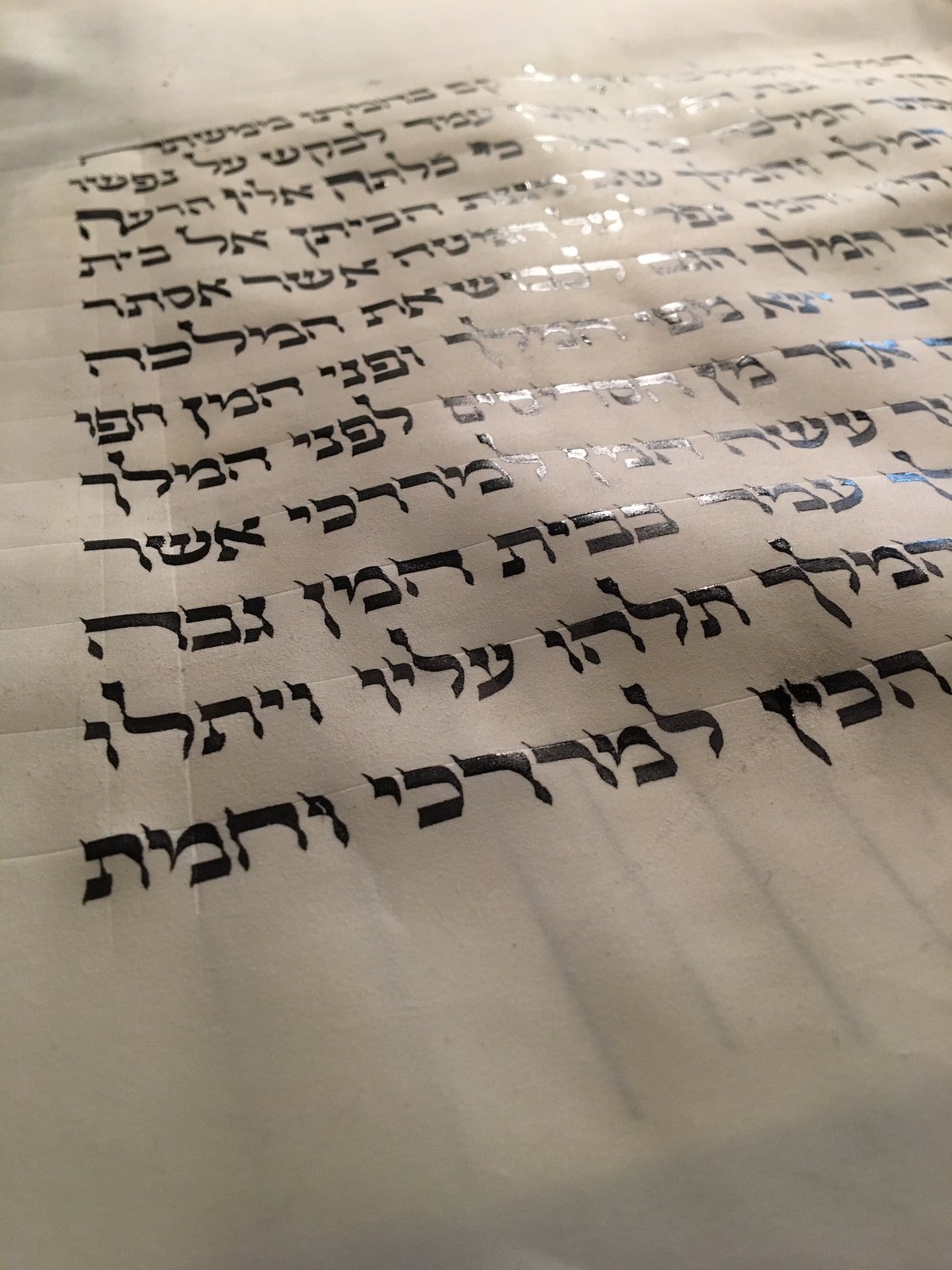
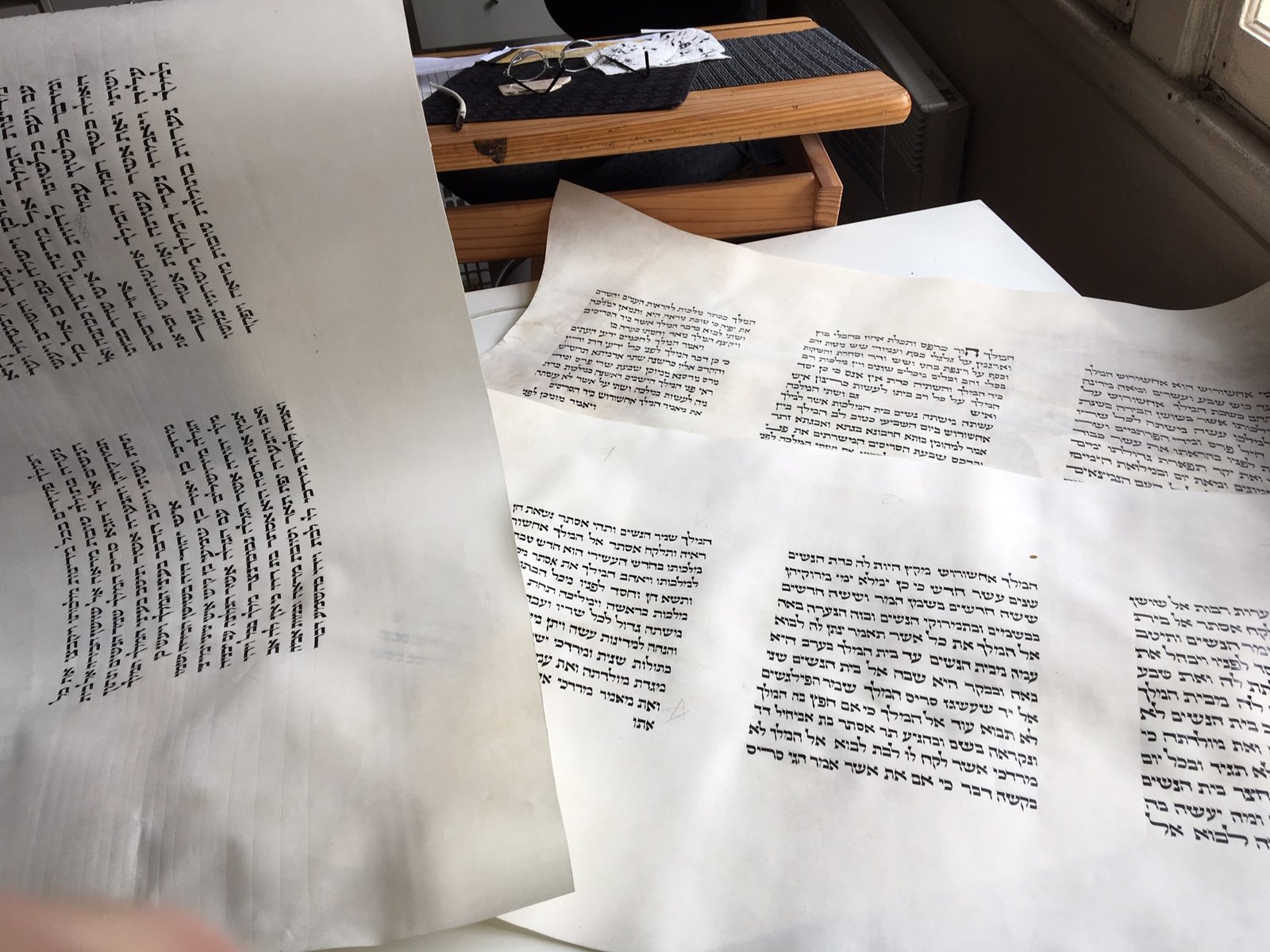
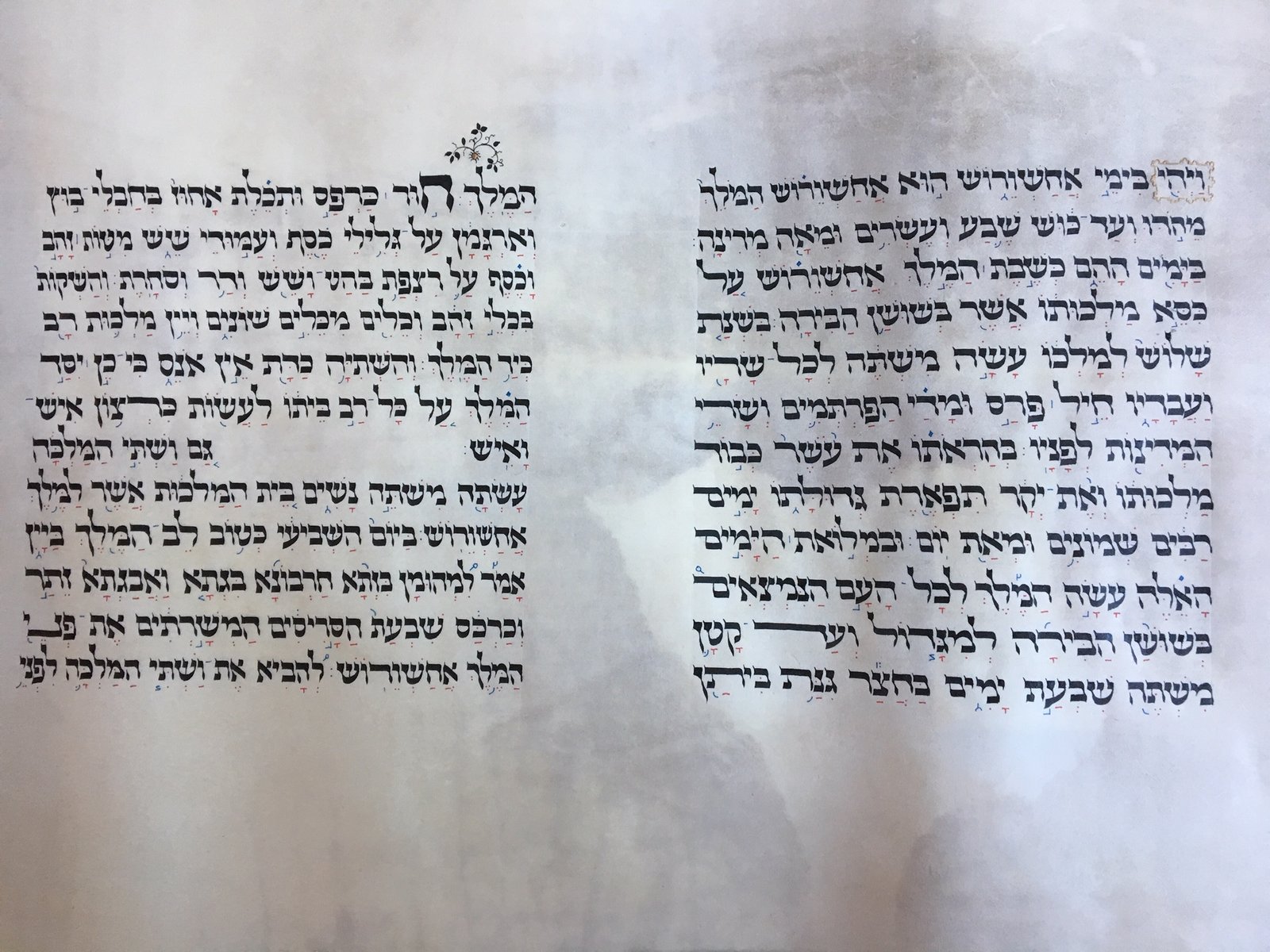
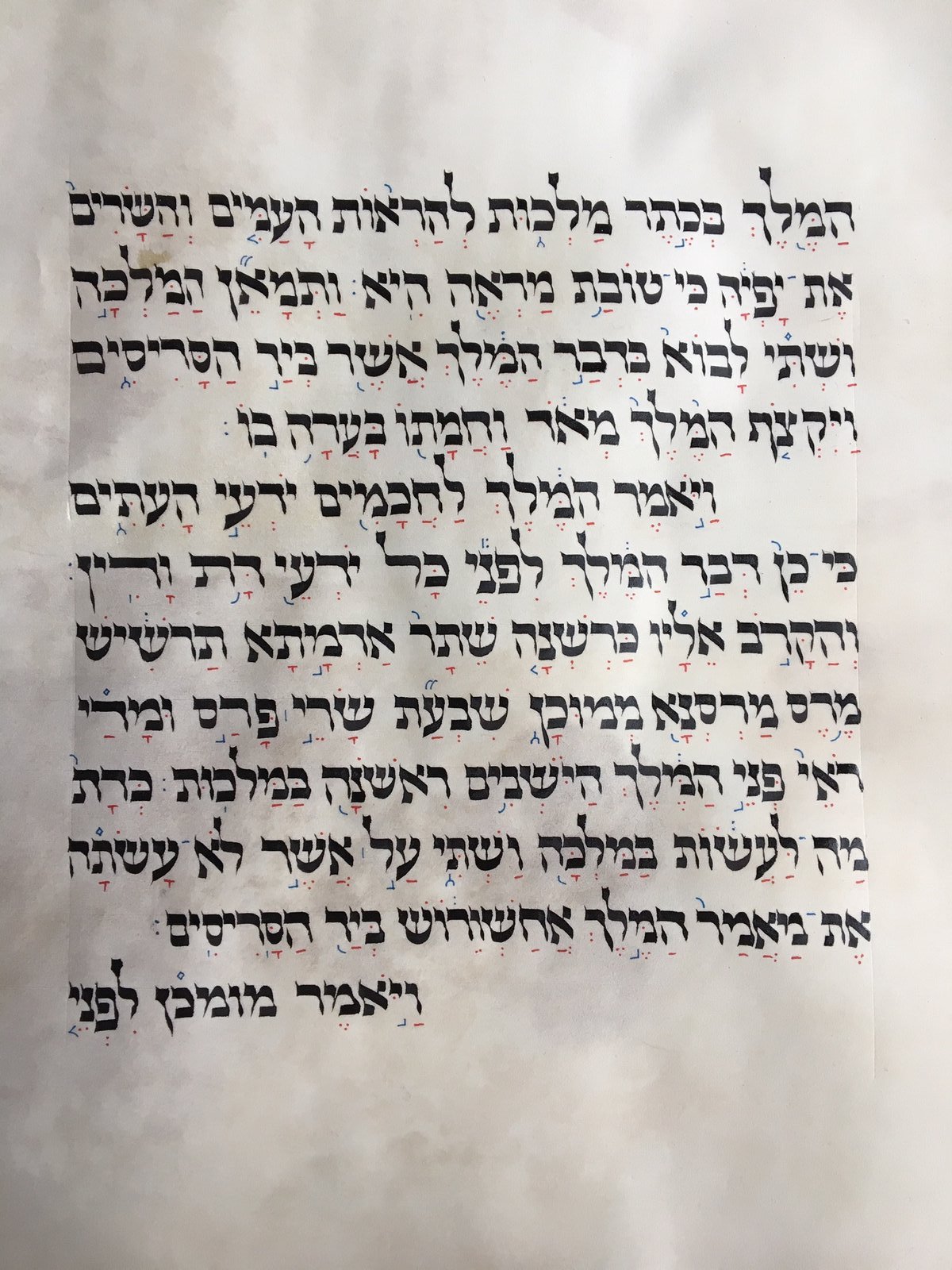
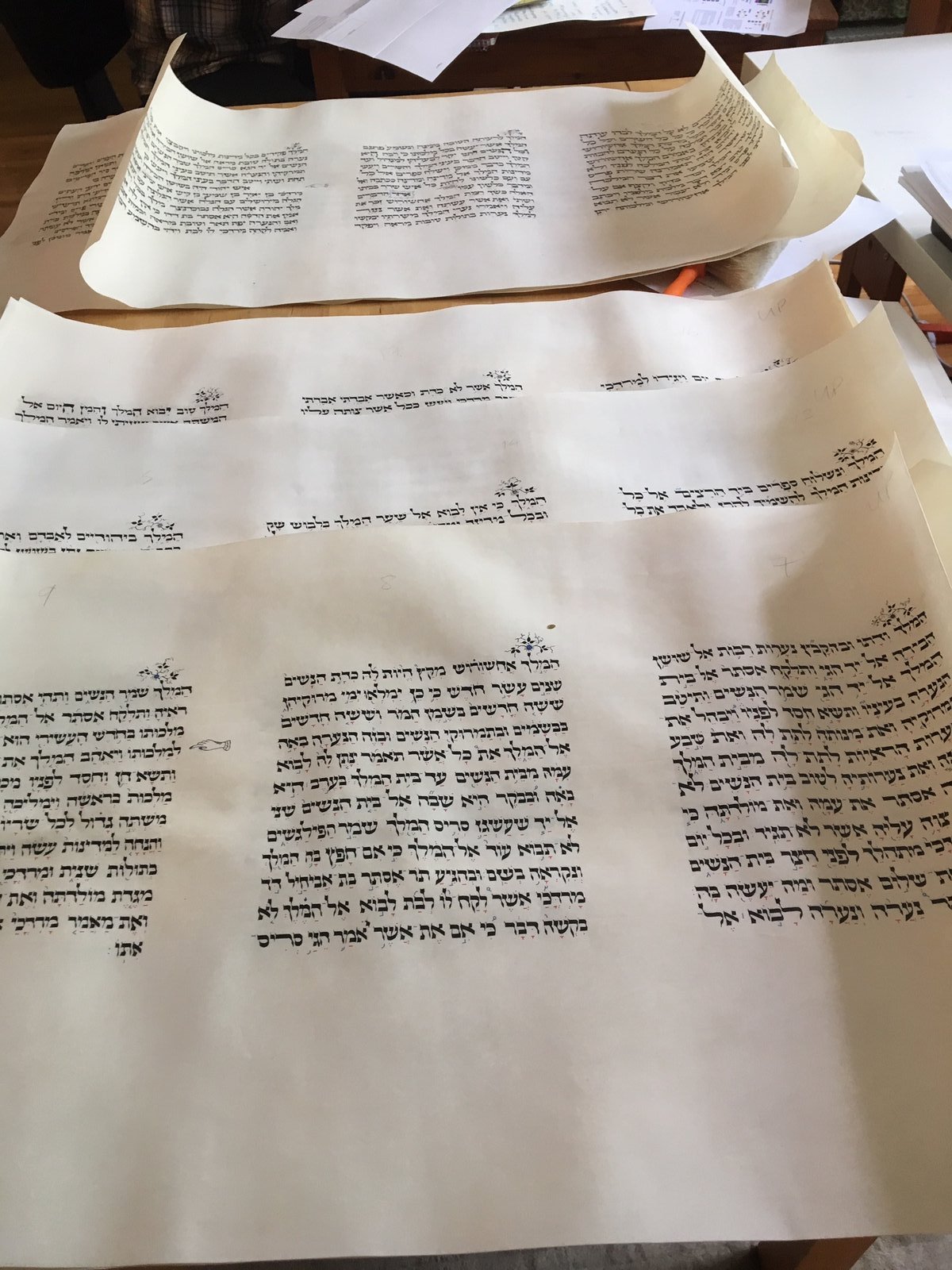
I collaborated with the soferet Jen Taylor Friedman to create a new manuscript in the style of the Griffins’ Head Haggadah — using the same unique medieval Ashkenazic script, the same cast of characters (griffin-headed Jews of various types, and blank-faced non-Jews) — but in the context of a Megillah, a Scroll of Esther for use on the Festival of Purim. The manuscript shares the dimensions of the Griffins’ Head Haggadah, but takes scroll form: researched, designed, laid out, and executed by Vassar undergraduates as a special new Intensive in Jewish Studies. The project promotes hands-on ways of learning about how art was planned, designed, and made in the Middle Ages, and it exemplifies the new Intensives program through which students translate classroom learning into practical research and experience that circles back to enrich their understanding of what is taught in the classroom — and outward, into their real-life practical experience.

The team

annA Kozloski VC '25, the project's illustrator.
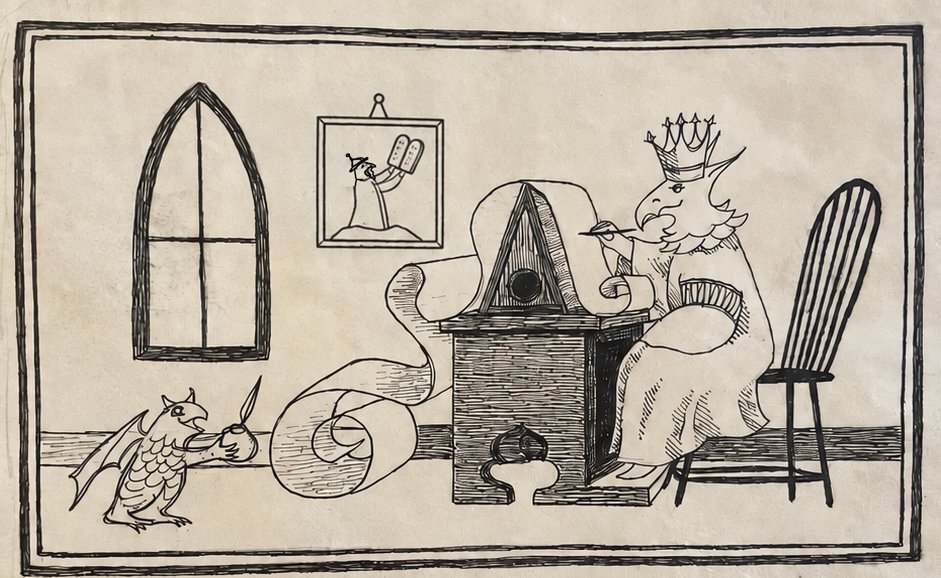
annA Kozloski, the project's illustrator.

annA Kozloski VC ’25

Illustrator

annA Kozloski is an illustrator and the author of Silly Things. At Vassar she studied History, Italian, and Edward Gorey (an unofficial major). Portfolio highlights include cartoons for The Miscellany News and The Magazine Antiques, along with illustrations for the Book of Esther commissioned for this project. She currently works in the nonprofit arts sector while pursuing independent creative projects.

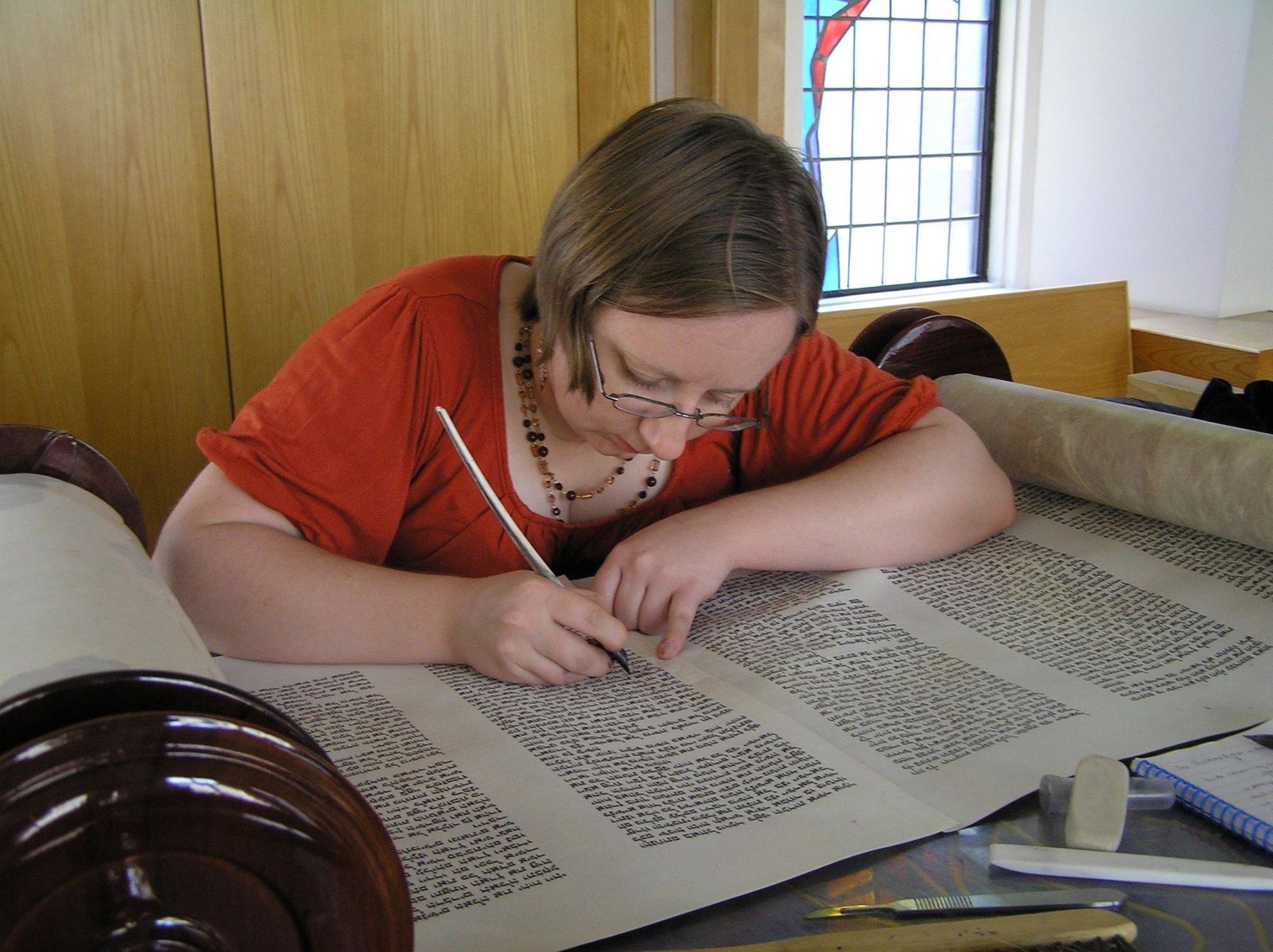
Jen Taylor Friedman, soferet, at work on a scroll.
Creation In the studio — design and execution.

Jen Taylor Friedman

Soferet (Jewish ritual scribe)

In 2007 Jen Taylor Friedman became the first woman known to have completed a Torah scroll. Educated at Oxford, she became interested in halakhah and calligraphy and, by “a chance combination of happy circumstances,” met a sofer who helped her see that becoming a soferet would let her pursue both interests. She has since written seven Torah scrolls and an assortment of other sacred scrolls, holds an MA in Jewish Studies from McGill (a history of the material culture of tefillin) and a PhD in medieval Torah scrolls from the École Pratique des Hautes Études. She is notorious for creating Tefillin Barbie, who has been featured in serious publications describing twenty-first-century Judaism, and trains scribes around the world. She lives in the UK with her partner and daughter, where she teaches cheder and tries to avoid serving on committees.

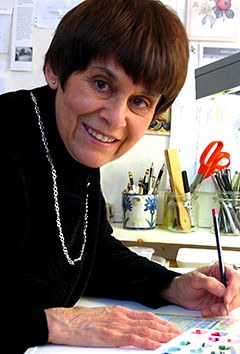
Barbara Wolff, consulting illuminator on the Griffins' Head Megillah project.
Classroom visit by a master illuminator.

Barbara Wolff

Consultant · manuscript illuminator

Barbara Wolff, one of today’s foremost illuminators, serves as guest lecturer and consultant for students working on the Griffins’ Head Megillah project, advising them on the art, materials, and techniques of manuscript illumination. A New York City artist with a distinguished background as a natural science illustrator, Wolff brings to biblical texts a refined attention to the forms, colors, and structures of the natural world.

Her major 2015 exhibition at the Morgan Library & Museum, “Hebrew Illumination for Our Time: The Art of Barbara Wolff,” laid the foundation for the Morgan’s first collection of Jewish manuscripts; her Haggadah, Ten Illuminations on Psalm 104, The Book of Ruth, and most recently The Song of Songs have all been acquired for the Morgan’s renowned manuscript collection. Her work has also been exhibited at the New York Illustrators Club, the Jewish Theological Seminary, Yeshiva University Museum, the Museum of Biblical Art, and the Morgan Library & Museum. Wolff has produced several films documenting her working process, and she is a member of the American Society of Botanical Artists, the Guild of Natural Science Illustrators, the New York Society of Scribes, the Society of Gilders, and the Society of Scribes & Illuminators in London.

Making the scroll

From research and layout to ink on parchment.

The finished text

The complete 44-page facsimile of the scroll — from opening blessings through the colophon.

The illustrations

Pencil sketches and finished griffin-headed scenes by annA Kozloski, VC ’25.

Colophons — two soferot, four and a half centuries apart

The traditional scribe’s signature, in her own hand.

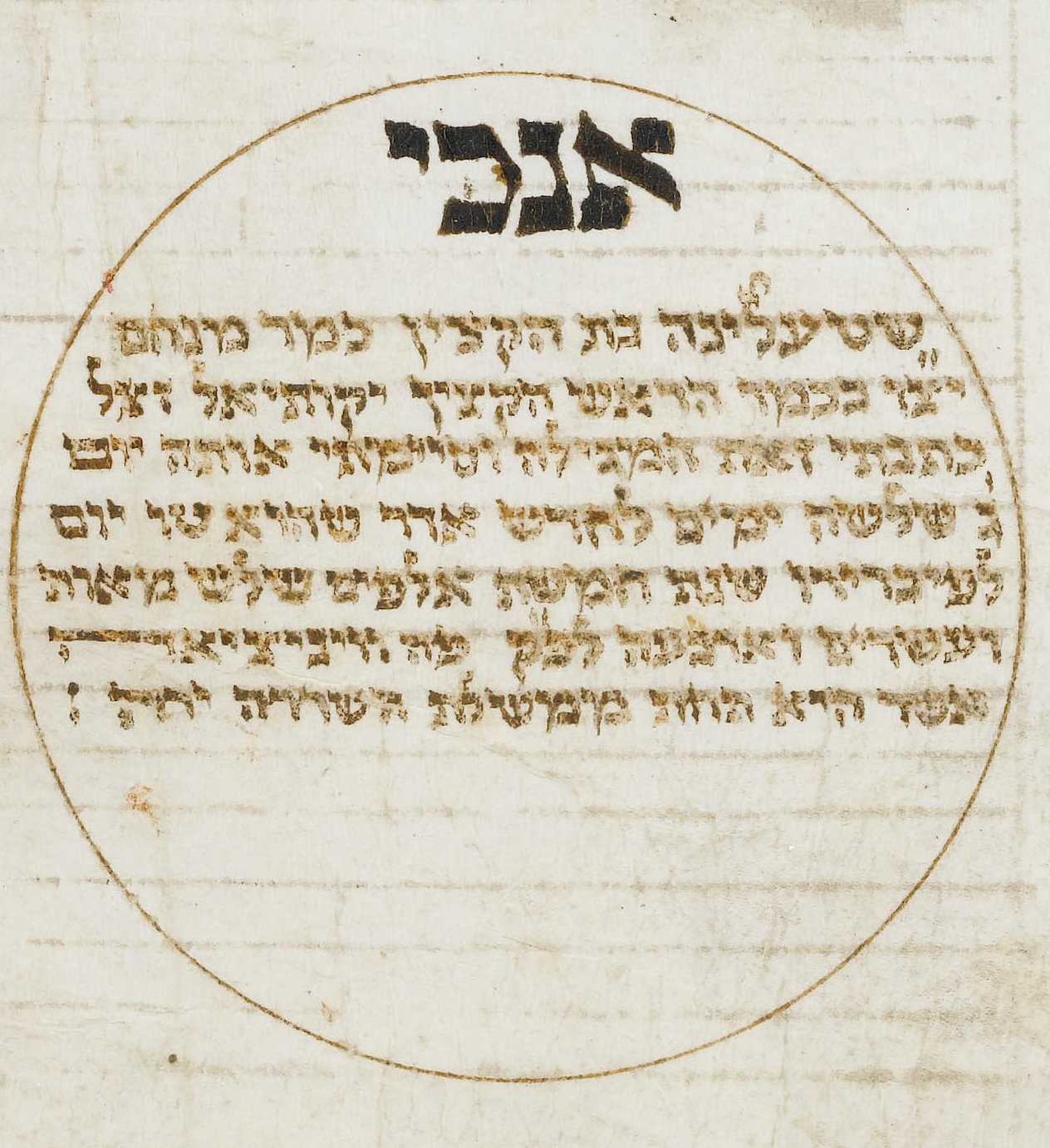
The Hebrew colophon of Stellina's Megillah, written in a fine Italian hand.
StellinaVenice · 5324 / 1564

I, Stellina, daughter of the officer, the honored Master Rabbi Menaḥem — may he live long and good years — son of the honored Master Rabbi, the chief officer Yekutiel, of blessed memory, wrote this Megillah and completed it on the third day [Tuesday], three days into the month of Adar… in the year five thousand three hundred and twenty-four, here in Venice, which is [under] the dominion of the [Sere]nissima, may her glory be exalted.

VIEW THE ENTIRE SCROLL IN THE BRAGINSKY COLLECTION →

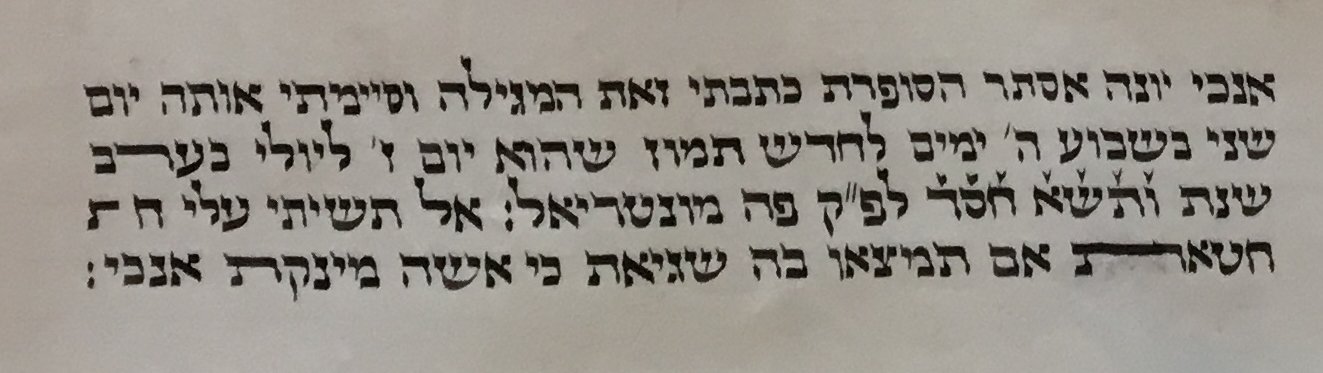
The Hebrew colophon of the Griffins' Head Megillah, written by Jen (Yonah Esther) Taylor Friedman in Ashkenazic script.
Jen (Yonah Esther) Taylor FriedmanLondon / Montreal · 5779 / 2019

I, Yonah Esther the soferet, wrote this Megillah and completed it on Monday, five days into the month of Tammuz — which is the seventh of July, at evening — the year 5779 by the abbreviated reckoning, here in Montreal. Do not impute sin to me (Numbers 12:11) should you find errors in it, for I am a nursing woman.

Our soferet’s colophon is a learned reference to a famous early instance of the colophon of a female scribe. That manuscript is now, unfortunately, lost.

Rabbi Yaʿakov Sapir reports in his ethnography of Yemeni Jews (Even Sapir (אבן ספיר) Volume 1: Lyck: L. Silbermann / Mekitzei Nirdamim, 1866) that the celebrated Yemenite scribe Benayah ben Saʿadiah ben Zechariah also had “a daughter, an expert scribe,” and that he was shown “a manuscript ḥumash” copied by her, whose colophon read: “Do not place blame upon me if you find errors in it, for I am a nursing woman; Miriam, daughter of Benayah the scribe.” Sapir adds that the manuscript was “accurate, and the writing very beautiful and well-formed.” Miriam’s father, Benayah ben Saʿadiah ben Zechariah, known as Benayah the scribe, was the patriarch of a major fifteenth-century Yemenite scribal family in Ṣan‘a.

Dedication

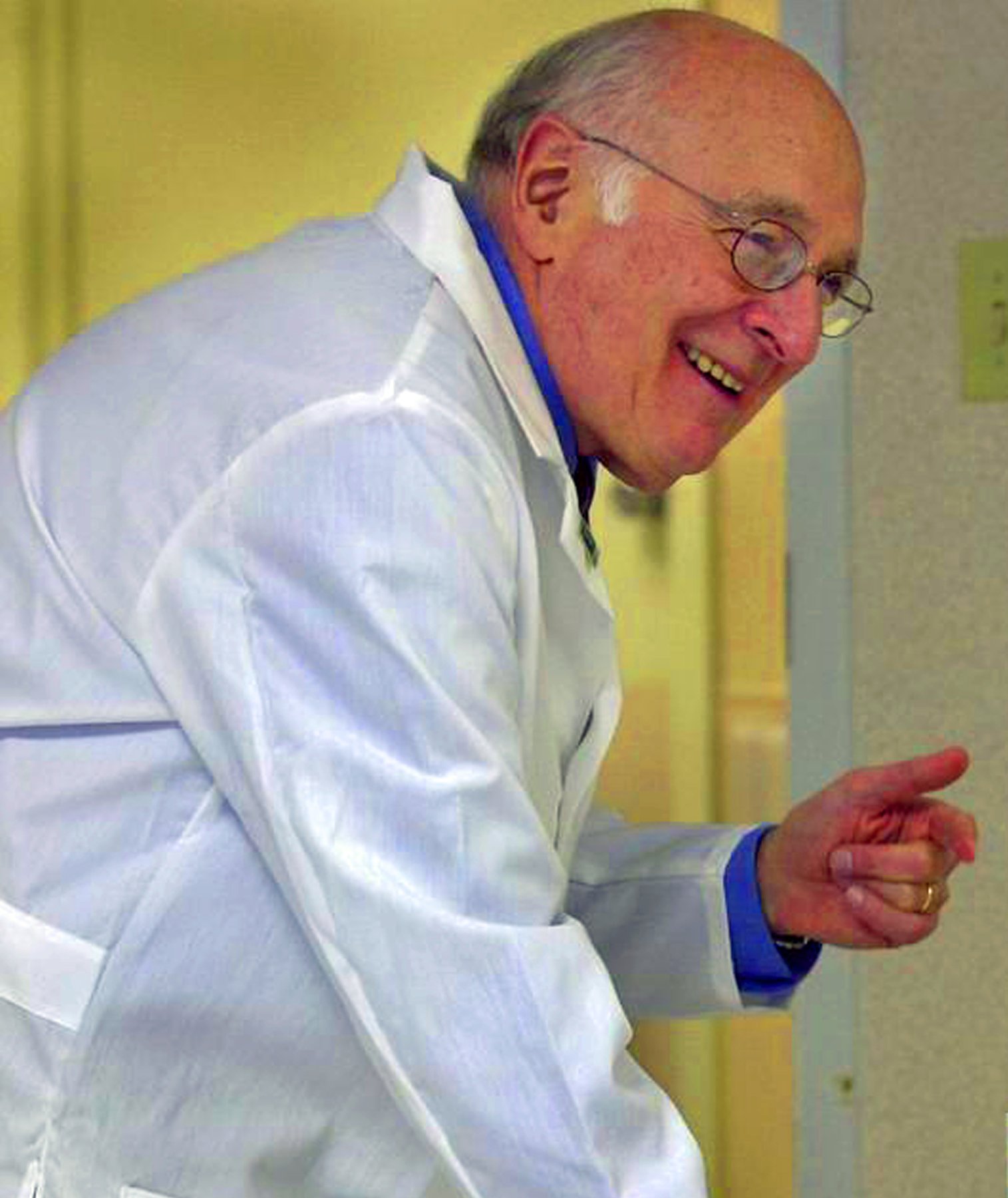
Dr. Lawrence Fishman in a white lab coat, in conversation, smiling and gesturing with his hand.
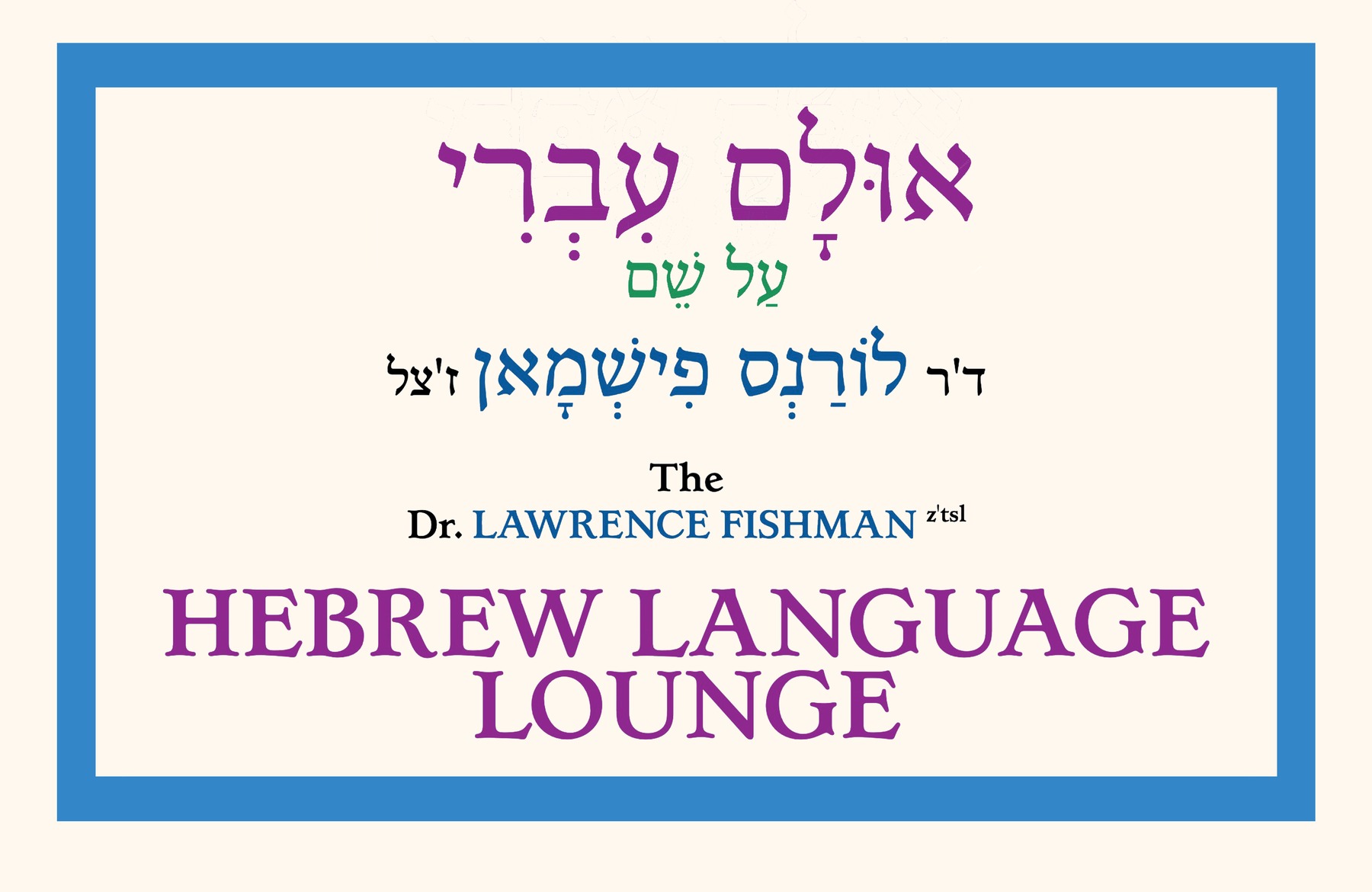
The dedication sign of the Dr. Lawrence Fishman z'tsl Hebrew Language Lounge — Hebrew above, English below, framed in blue.
The Dr. Lawrence Fishman z”tsl Hebrew Language Lounge — the Program’s seminar and reading room.
Dedication A short film from the dedication of the lounge.

Dr. Lawrence Fishman z”l

The Griffins’ Head Megillah was completed in 2025 with the unwavering support of Dr. Lawrence and Suzanne Rubenstein Fishman (VC ’55) and their loving family. A devoted friend of the Program, Larry Fishman believed that Jewish learning at Vassar should be ambitious, hands-on, and generous — and he gave so that it could be.

The Fishman Family endowment makes possible the Program’s annual visiting scholar, its faculty seminars, the biennial Fishman Family Travel Seminar, and the kind of student-driven, learn-by-making projects of which this scroll is the proudest example. The Hebrew Language Lounge that bears his name is the room where much of that learning now happens, day after day. It includes a growing library of volumes for student use and course preparation. May his memory continue to bless us.

← Return to Projects

An invitation

Support Jewish Studies at Vassar.

Your gift sustains financial aid for our travel seminars, public lectures, language teaching, and the Sefer Torah restoration. Use designation DA059 – Jewish Studies.

How to Give  → vassar.edu/give · designation DA059