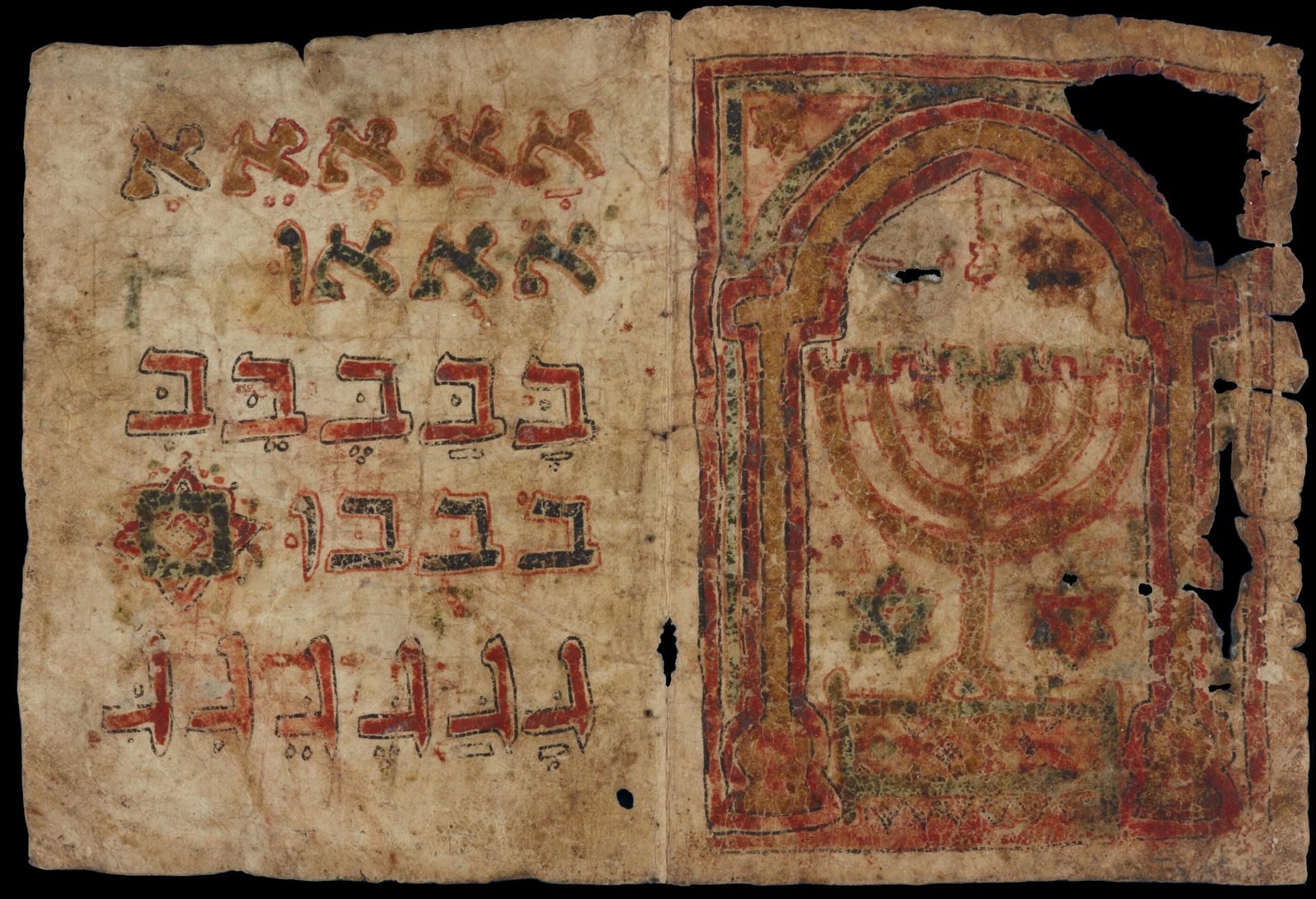
Hebrew Language, Literature & Culture
Skill with Hebrew language is essential Jewish Studies work — whether it involves Bible, rabbinic literature, medieval poetry, or modern Israeli fiction. The Program teaches it as both a living language and a four-thousand-year textual tradition, and offers Aramaic alongside it for students who want to learn to read and understand the Talmud and other critical Jewish literature.
The Language Program
Three levels of Hebrew, plus advanced readings tailored to each student, plus Aramaic.
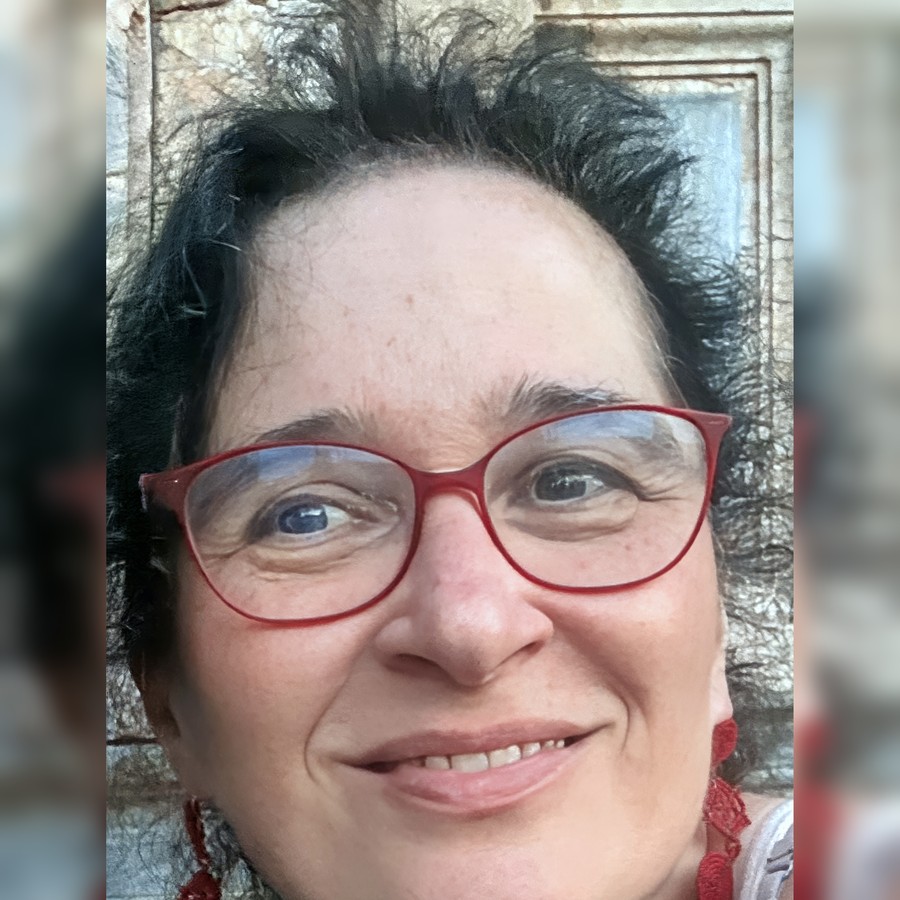
Dr. Ágnes (Ági) Vetö is Lecturer in Hebrew and Coordinator of Modern Hebrew Language Study, teaching all levels of the language sequence, alongside Biblical Hebrew and Aramaic, when requested.
The first year (HEBR 105–106) brings students to working literacy: students learn to read unpointed text, write, hold a basic conversation, and engage simple primary sources. The second year (HEBR 205–206) introduces longer narrative and the grammatical machinery of biblical and rabbinic Hebrew. The third year (HEBR 305–306) reads modern Israeli prose, classical sources, and the Hebrew press, and prepares students for advanced research.
Advanced Readings in Hebrew (HEBR 315) is a tutorial: each student designs a reading list with the Hebrew Coordinator and works through it with weekly supervision. Recent students have read S. Y. Agnon’s short fiction, the daily Haaretz, the Mishnah, and medieval piyyut.
Aramaic — the language of the Talmud, of substantial portions of the books of Daniel and Ezra, and of the Targumim — is offered as a guided independent study with Professor Vetö for students with a foundation in Hebrew.
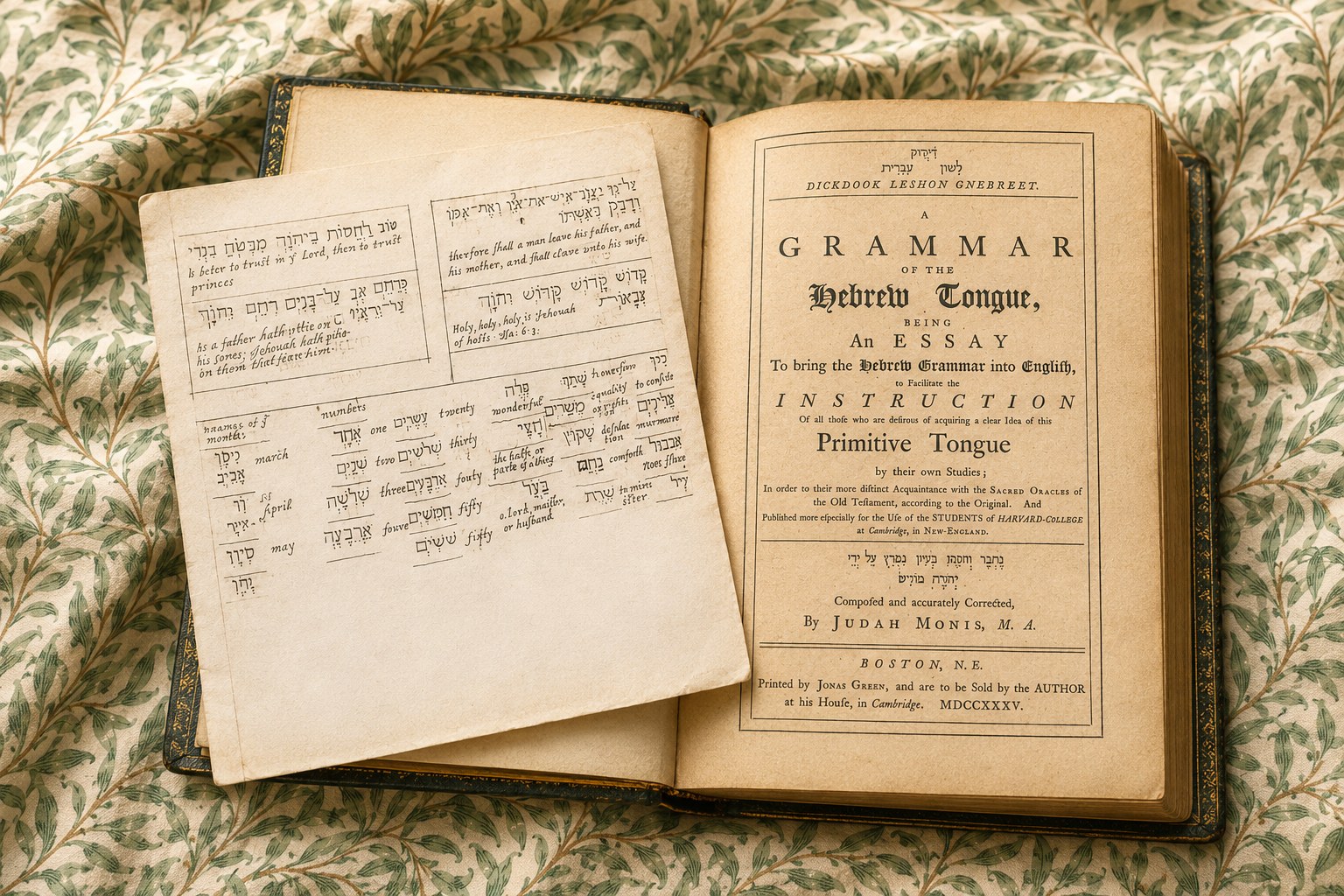
Courses
Hebrew in the Curriculum
Courses that treat Hebrew texts seriously, in translation or in the original, across the catalogue.
Hebrew in the Lecture Hall
Vocal and textual work in Hebrew has anchored several of the Program's most-attended events.
A multidisciplinary artist exploring the human voice and the alphabet of ancient Hebrew and Aramaic. Daughter of a Jerusalem rabbi; turned a childhood stutter into a vocal practice. Forbes 50 Most Influential Women in Israel (2015); Rozenblum Award (2022). Co-sponsored by the Office of Cultural Affairs, Consulate General of Israel in New York. Her viral videos — The Aleph-Bet Song (Hosha’ana) and 22 Letters — have been viewed millions of times. victoriahanna.net
Hebrew Across the Major
Hebrew at any level beyond elementary may be used to fulfill the Jewish Studies language requirement. Students intending graduate work in Bible, rabbinics, Jewish history, or Israel studies are encouraged to reach the advanced level by senior year, and to use HEBR 315 to read sources directly relevant to their thesis. Students considering rabbinical school routinely take their core Hebrew preparation here.
Hebrew study pairs naturally with year-abroad opportunities at Tel Aviv University, the Hebrew University of Jerusalem, the University of Haifa, and Ben-Gurion University of the Negev, when conditions allow. Students have also engaged in intensive study of Hebrew language at Middlebury College. The Director and the Hebrew Coordinator advise on applications, language placement, and credit transfer.
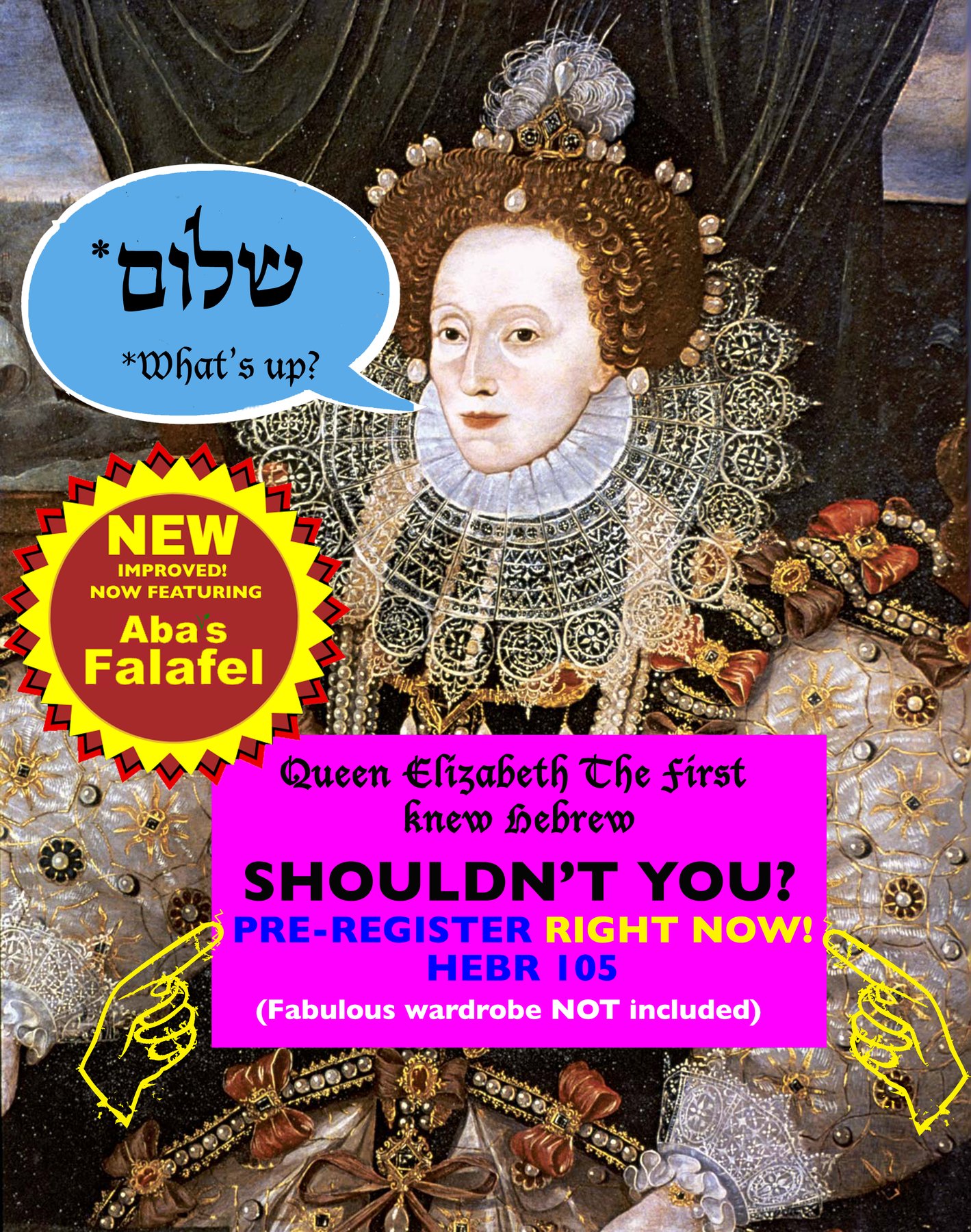
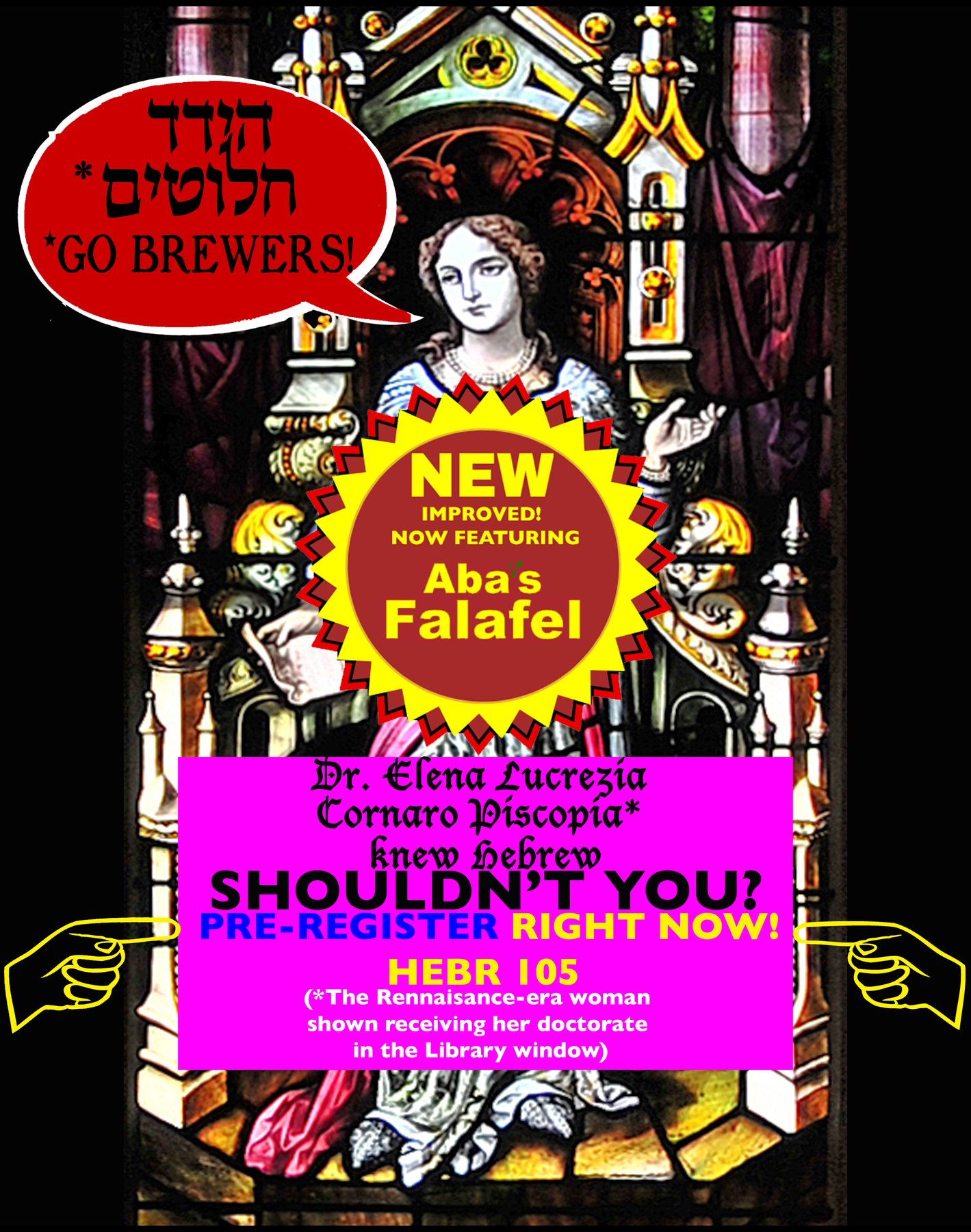
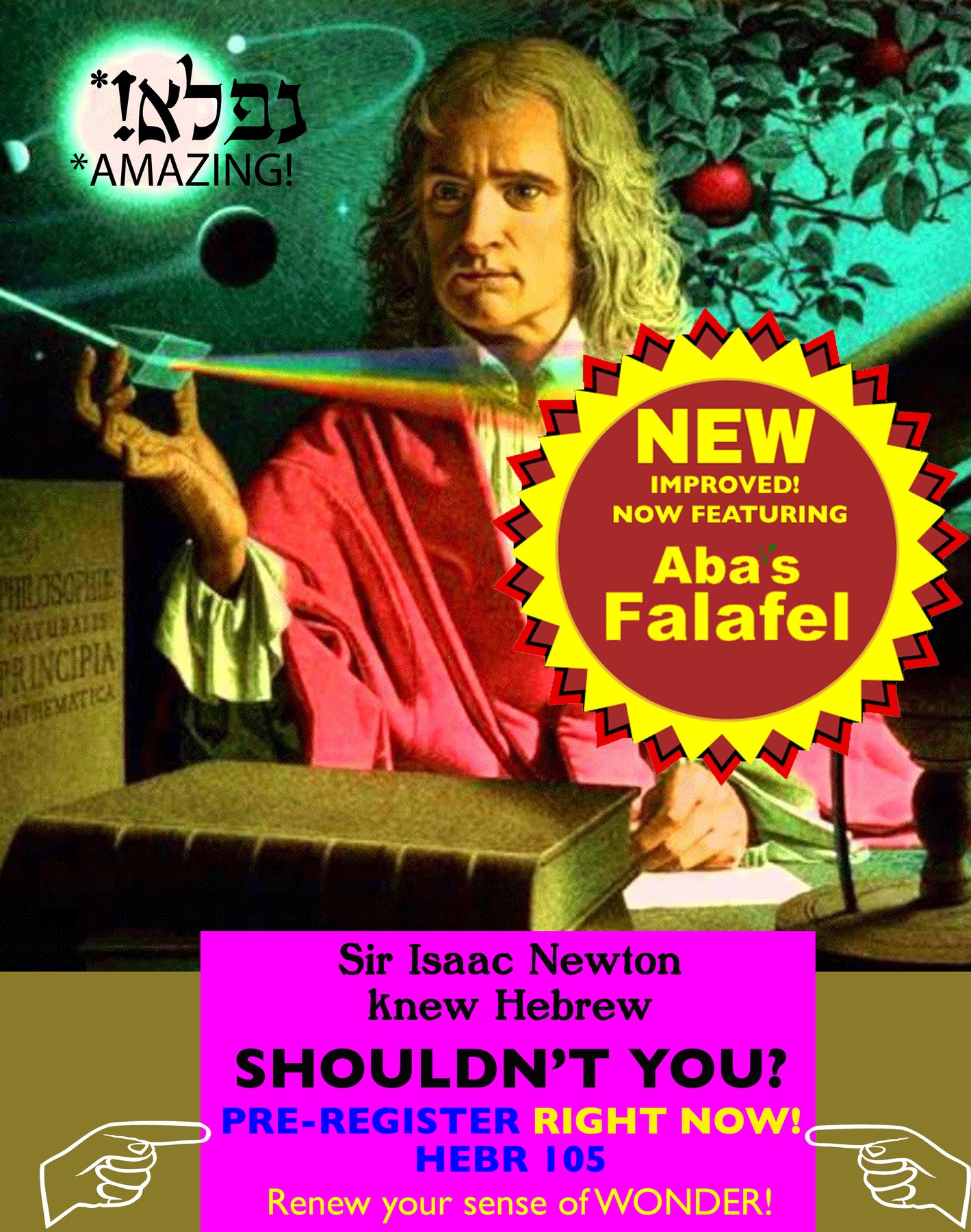
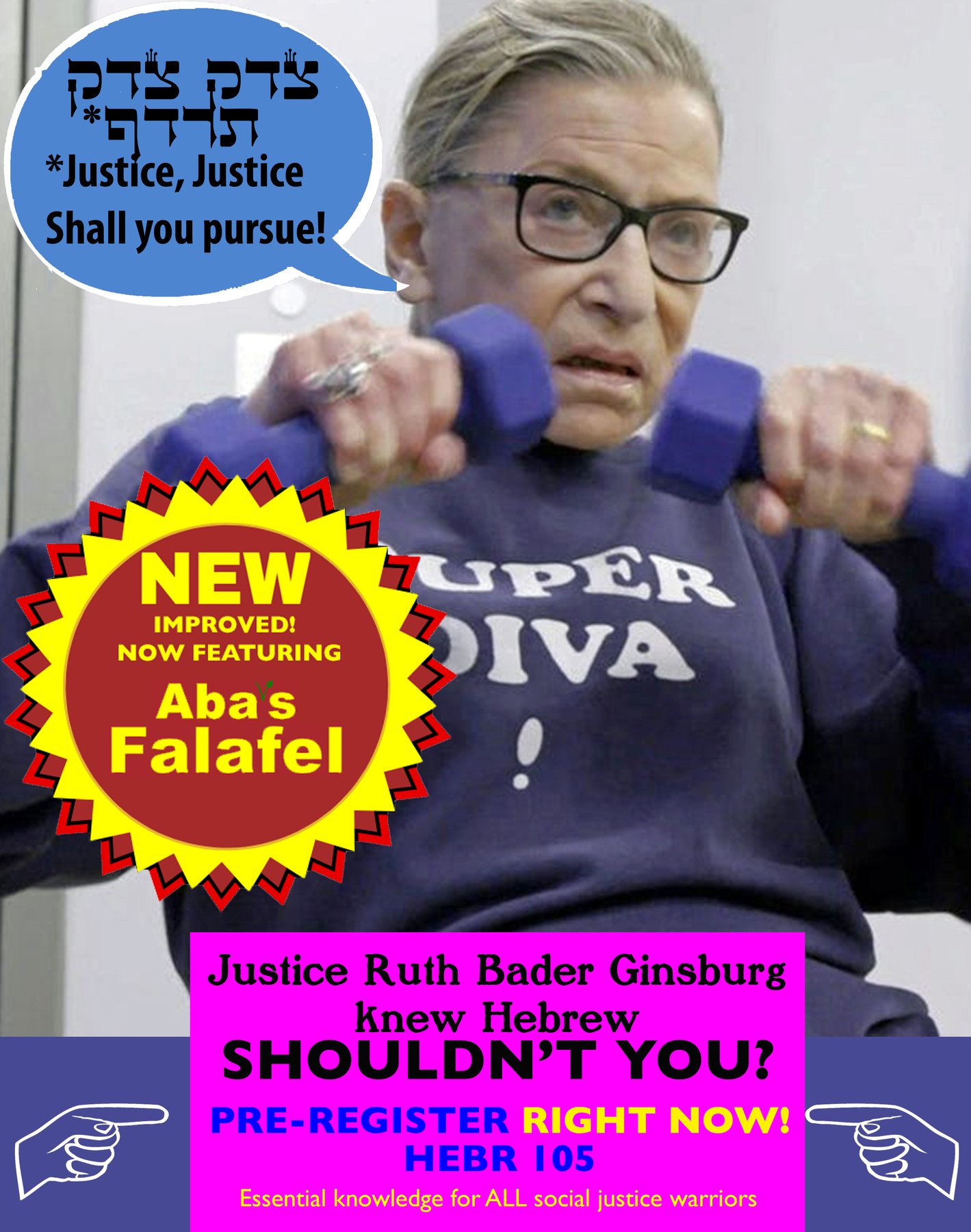
Five Vassar Hebrew Program posters in circulation — proof that the company is interesting. Click any poster to enlarge.
(The falafel is ALWAYS good!)