An Orthodox Sofer & an Egalitarian Soferet at One Table
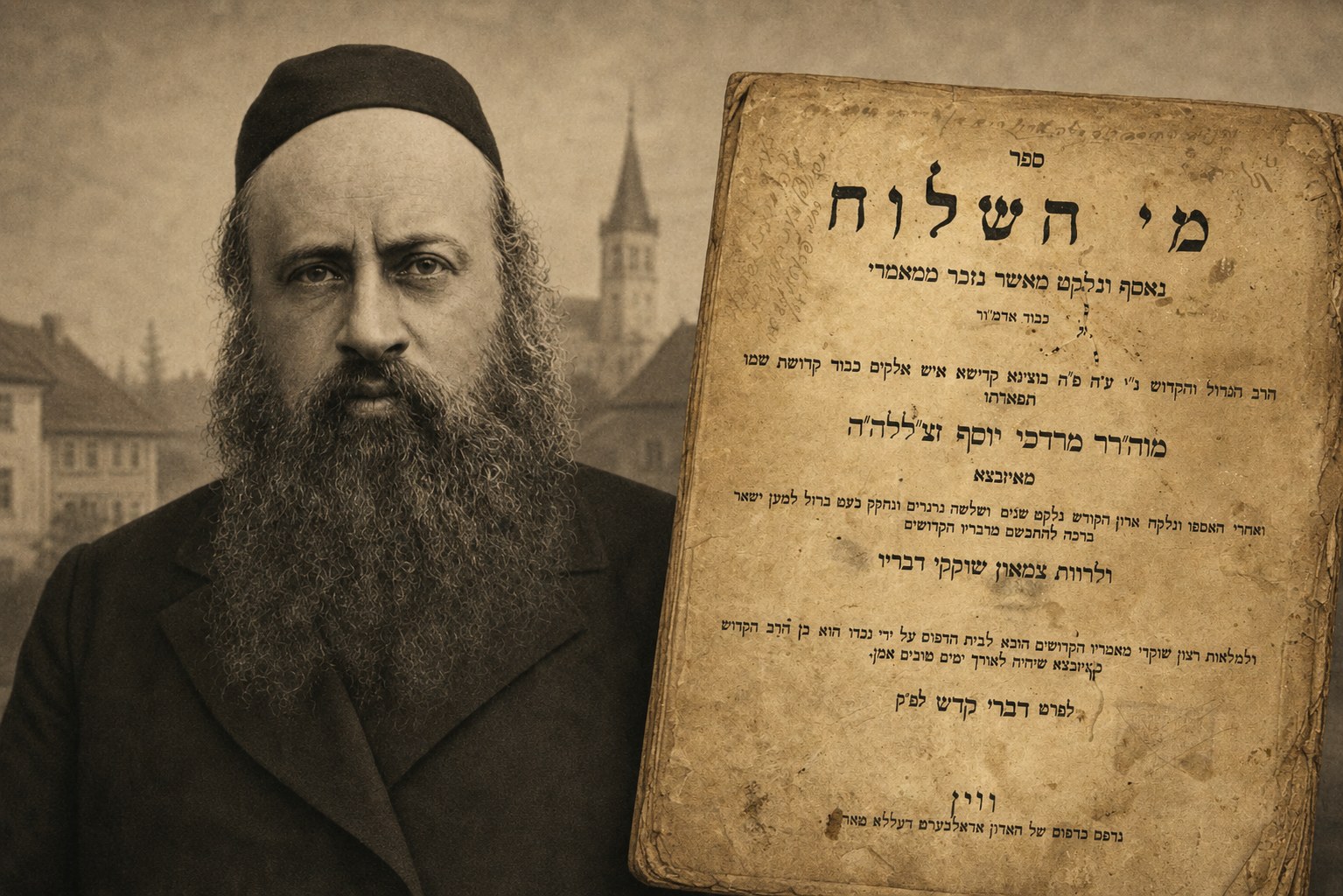
Rabbi Rigoberto Emmanuel “Manny” Viñas — founder, El Centro de Estudios Judíos Torat Emet; sofer ST"M, ordained at Yeshiva University.
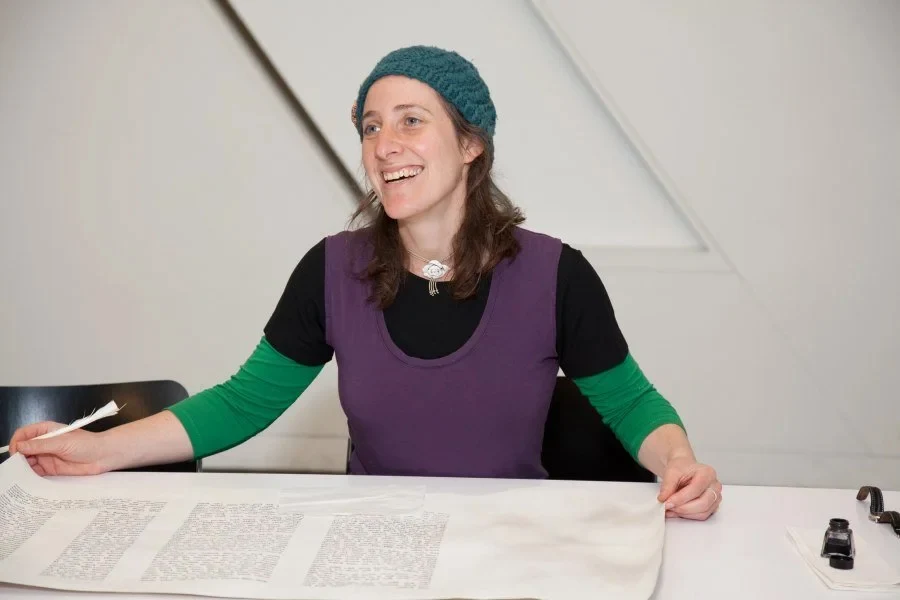
Julie Seltzer — soferet; Beacon, NY; first American woman to complete a Sefer Torah.
The opening residency of Sacred Scripts: Torah, Text, and Restoration — the Polanyes Family Intensive launching this fall — brings together two scribes whose paths into the work could hardly differ more. Rabbi Manny Viñas is a Cuban-American Sephardic rabbi, founder of El Centro de Estudios Judíos Torat Emet, and an Orthodox-trained sofer ST"M with three ordinations from New York seminaries; for two decades he has built a Spanish-language Sephardic outreach network across the Americas, with a particular vocation for the Anusim — descendants of forcibly converted Iberian Jews returning to Jewish life — for whom he writes and repairs the ritual objects the returning communities need.
Julie Seltzer is the first American soferet to complete a Sefer Torah — she wrote it in public view at the Contemporary Jewish Museum in San Francisco, all 304,805 letters across sixty-two parchment sheets — and one of a small handful of women writing sacred scrolls today. She has since written four Torahs, including the first ever written by a woman for a Manhattan synagogue, and teaches sofrut to a new generation of scribes from her studio in Beacon. Trained by Jen Taylor Friedman, the first contemporary woman known to have completed a Torah, she came to the craft from a long apprenticeship in Hebrew and the rabbinic curriculum.
For four days the two will share a table in front of Vassar students — demonstrating scribal technique side by side, leading workshops on the Program’s late-eighteenth-century Bavarian scroll, and disagreeing productively about who may write, for whom, and on whose authority. The craft is the same; the lineages are not. What the residency offers students is the rare experience of watching two highly accomplished practitioners of a single tradition hold contrary positions inside it — and continue to work, side by side, on the same parchment.