Projects
The Program runs and contributes to several long-form research projects — student-led, faculty-led, and collaborative. The current ones are gathered here; older entries live in the program archive.
Sacred Scripts: Torah, Text, and Restoration
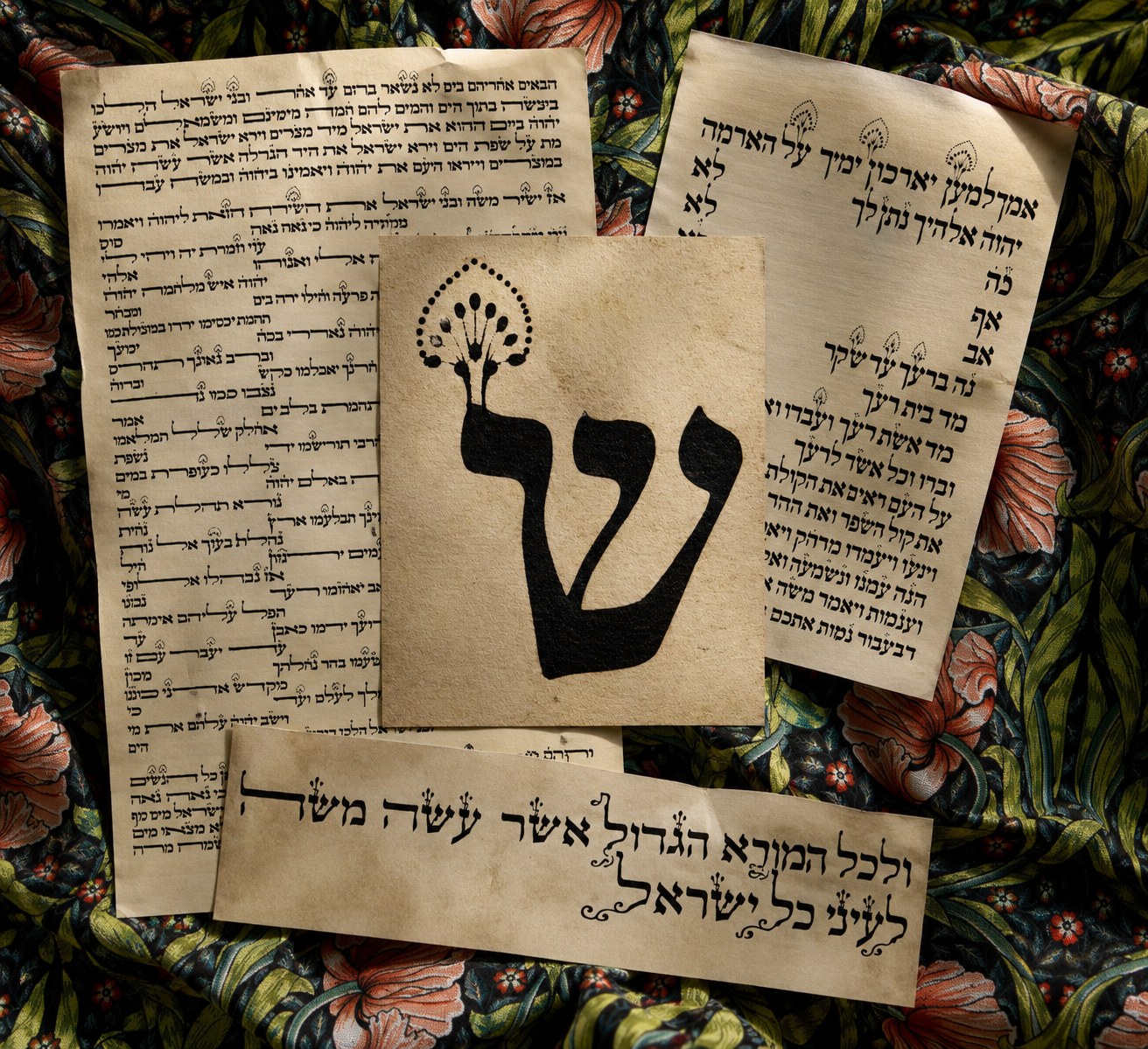
At Vassar, an Intensive is a credit-bearing course built around immersive, project-based learning. In Fall 2026, the Program will launch Sacred Scripts: Torah, Text, and Restoration. Students study Jewish scribal tradition while working under master scribes and faculty to restore a late 18th – early 19th-century Bavarian Torah scroll. This is a remarkable scroll — damaged yet full of unusual letter forms and elaborate flourishes. Otherwise destined for ritual burial, the scroll will instead be brought back to usable form for the first time in over two centuries.
Significance
- Transformational education. Hands-on training at the intersection of religion, art, and conservation.
- Preservation of heritage. Rescuing a Torah scroll otherwise lost.
- Interdisciplinary collaboration. Jewish Studies, German Studies, Art History, and Special Collections.
- Community impact. The restored scroll will serve as both research object and ritual resource.
Sponsorship of the restoration or the scroll itself will be recognized in the scroll’s permanent record and in future exhibitions. Give to Jewish Studies (DA059) →
Visiting Scribes-in-Residence — Fall 2026
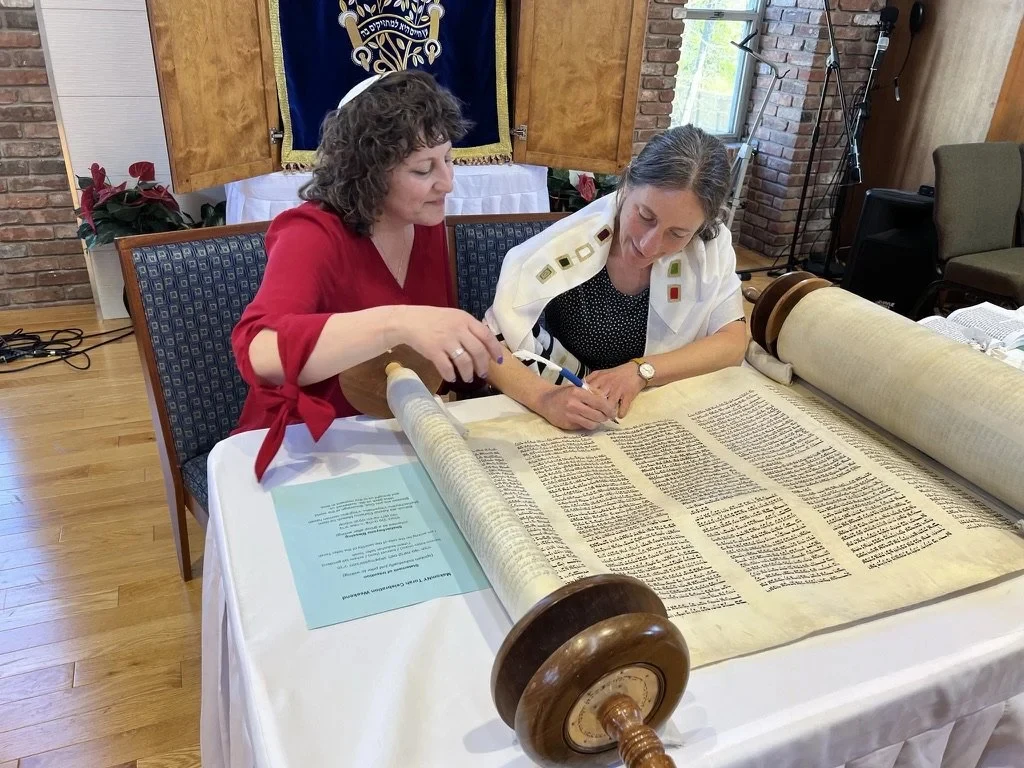
The Intensive opens with a joint residency by two scribes whose paths into the work could hardly differ more. Rabbi Rigoberto Emmanuel “Manny” Viñas is a Cuban-American Sephardic rabbi, founder of El Centro de Estudios Judíos Torat Emet in Yonkers, and the rabbi of the historic synagogue of Sosúa in the Dominican Republic. He holds three ordinations from Orthodox seminaries in New York — as rabbi from Kollel Agudath Achim, as sofer ST"M from Yeshiva University, and as shoḥet — along with a Master of Social Work from Hunter. For over two decades he has built a Spanish-language Sephardic outreach network spanning Miami, Puerto Rico, the Dominican Republic, Honduras, Spain, and Mexico, with a particular vocation for the Anusim — the descendants of forcibly converted Iberian Jews returning to Jewish life — for whom he writes and repairs the very ritual objects the returning communities need.
Julie Seltzer is the first American soferet to write a complete Sefer Torah and one of a small handful of women writing sacred scrolls today. She wrote her first Torah in public view at the Contemporary Jewish Museum in San Francisco, completing all 304,805 letters across sixty-two parchment sheets over eighteen months from 2009 to 2011; she has since written four Torahs, including the first ever written by a woman for a Manhattan synagogue (Tamid Downtown). Trained by Jen Taylor Friedman — the first contemporary woman known to have completed a Torah — Seltzer came to sofrut from a long apprenticeship in Hebrew and the rabbinic curriculum (yeshiva study in Jerusalem, day-school teaching, a Brown degree in theatre, a current master’s in teaching Hebrew at Middlebury). She lives in Beacon, where she runs an eight-month Zoom training for the next generation of scribes and travels widely as scholar-in-residence.
What the two share is the craft: the same quill, the same parchment, the same letterforms governed by the same body of law. What they bring into contact at Vassar is the question of whether the tradition is one tradition or several — and what students stand to learn from watching two highly accomplished practitioners disagree productively about who may write, for whom, and on whose authority. Together they will lead workshops on the Bavarian scroll’s restoration, demonstrate scribal technique side by side, and host an evening of conversation with students on tradition, gender, and the lineage of the craft.
The Griffins’ Head Megillah
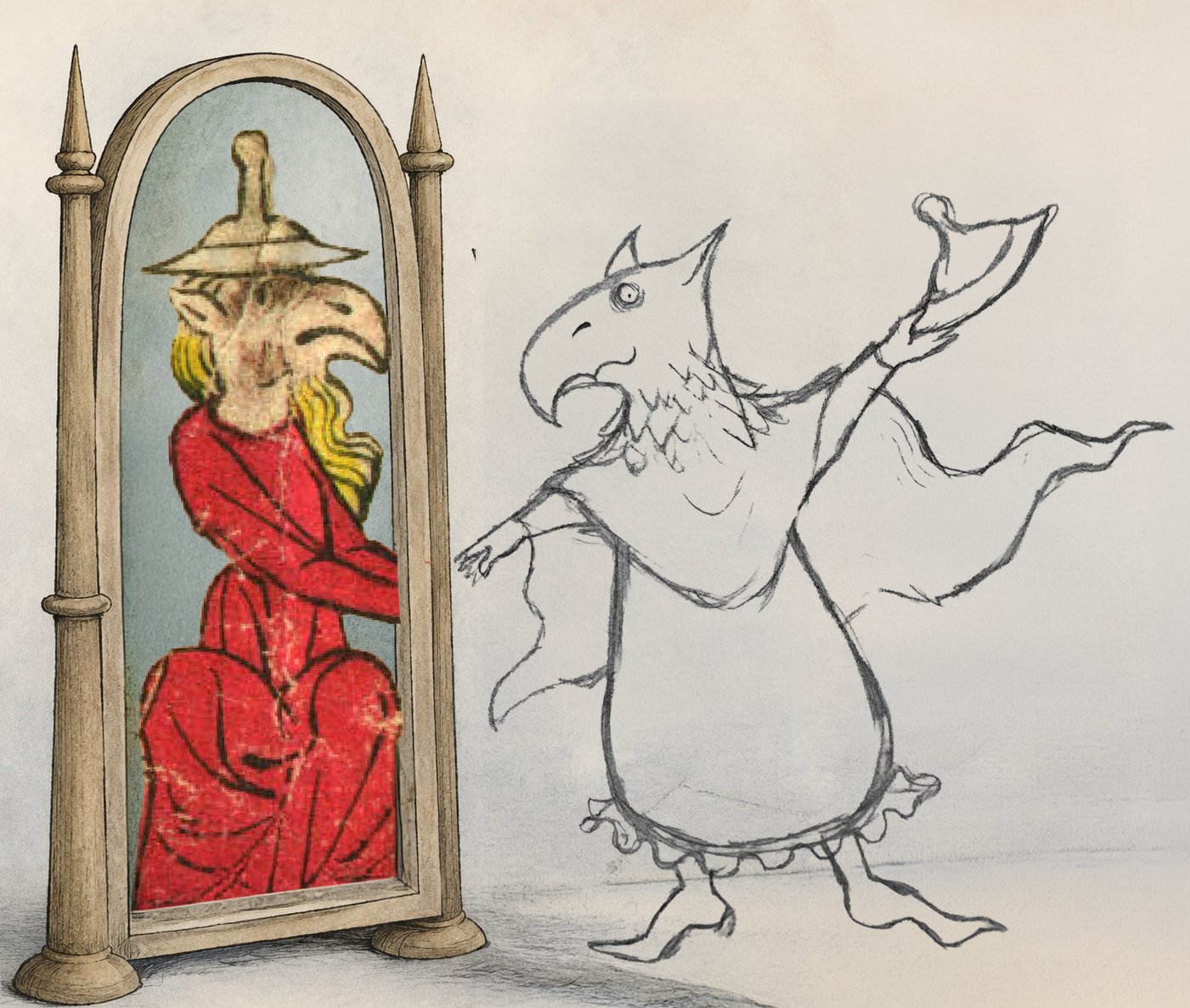
A new illuminated Scroll of Esther, written in medieval Ashkenazic script and peopled by griffin-headed Jews and blank-faced non-Jews — design scheme by Vassar undergraduates, scribal arts by Soferet (ritual scribe) Jen Taylor Friedman. The Megillah re-uses the visual grammar of the Griffins’ Head Haggadah (Israel Museum, Jerusalem) created c. 1300 for the festival of Passover. This Book of Esther in scroll form, intended for use on the holiday of Purim, includes illustrations by annA Kozloski, VC ’25 that realize the designs of the Vassar students who came before her. Completed in 2025 with the support of Dr. Lawrence and Suzanne Rubenstein Fishman (VC ’55) and family.
The Western Sephardi Liturgy
Students working with Professor Epstein travel to the four cities that anchor the Western Sephardi liturgical tradition — Amsterdam, London, New York, and Philadelphia — to study living congregations, manuscript and printed liturgical books, and the slow evolution of melody and minhag across three centuries. The companion to the project carries field recordings, manuscript images, and an interactive historical map of three millennia of Jewish liturgical influence and variation.
Visit the project →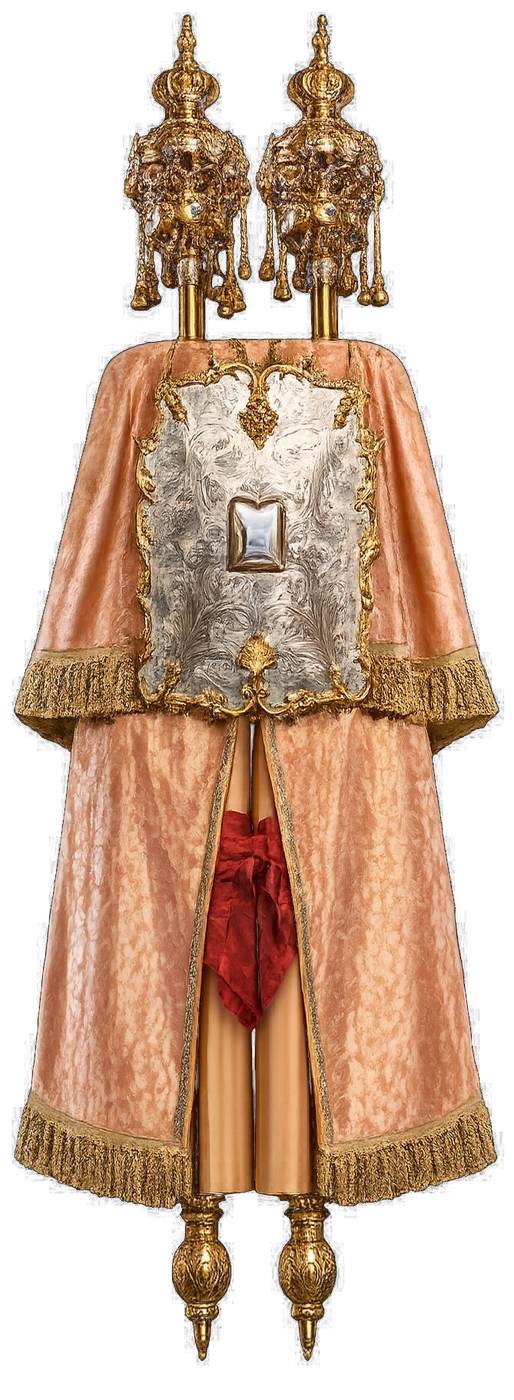
The music of the rite — four collections
Four companion collections carry the liturgy beyond the page — the music of the synagogue, the songs of the home, and a colonial experiment that set Hebrew prayer to early American tunes.
Western Sephardic Liturgical Classics — two voices
The music of the synagogue in two companion recordings — the living choir of Lauderdale Road, and the single layered voice of Hazzan Daniel Halfon.
The Choir of Lauderdale Road Synagogue
Choral music of the Spanish & Portuguese rite — Hazan Adam Musikant · Choirmasters Maurice Martin & Jason SilverThe living choir of the Spanish and Portuguese Jews of London, at Lauderdale Road Synagogue. Two albums — A Sephardi Celebration, a programme of the rite across the year, and the 2020 Lockdown Recordings made voice upon voice during the 2020–21 closures — gathering the psalms, piyyutim, and prayers of Sabbath, festival, and the Days of Awe, sung in chorus.
Open the collection →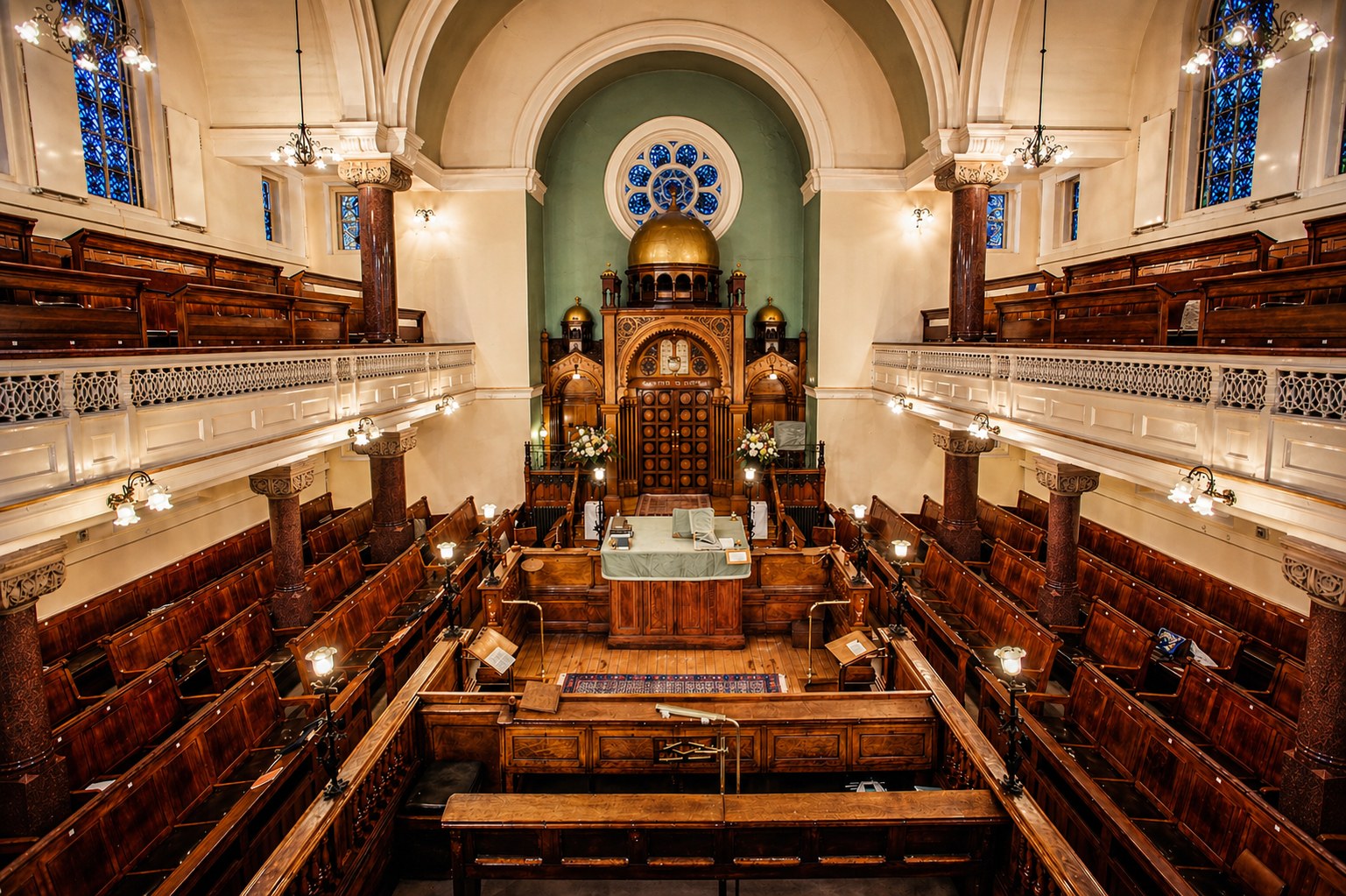
The Recordings of Hazzan Daniel Halfon
A public-domain A–Z archive — over a hundred liturgical pieces in a single layered voiceThe synagogue counterpart to At the Sephardi Table. Where the table-songs carry the rite into the home, this collection gathers the music of the service itself — psalms, piyyutim, Kaddishim, and the great prayers of the Spanish and Portuguese rite — in the public-domain Multitrack Recordings of Hazzan Daniel Halfon. An A–Z archive of well over a hundred liturgical pieces, the most familiar carrying full Hebrew text, transliteration, and translation, alongside his commercially released album Kamti Le-Hallel.
Open the collection →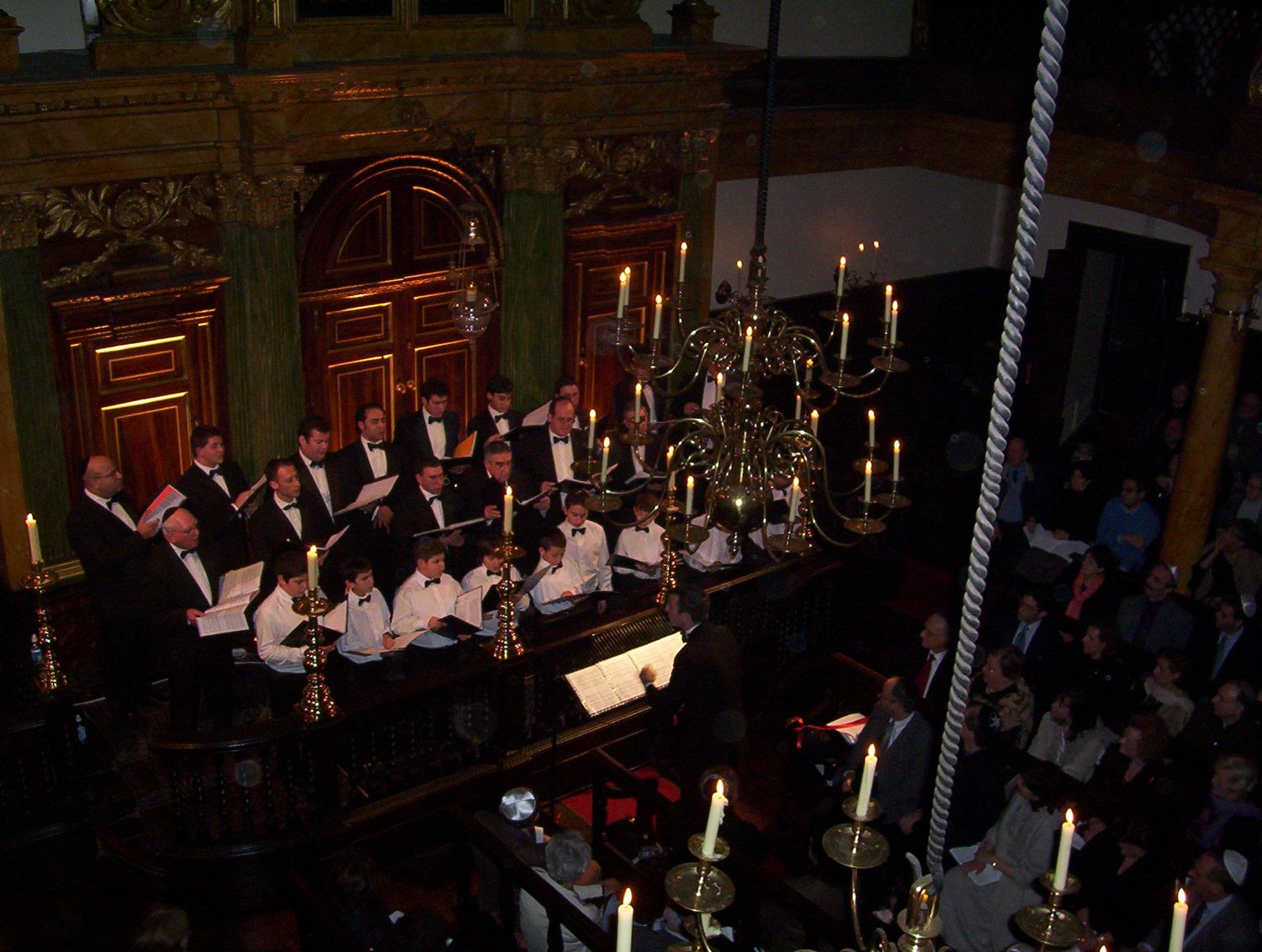
At the Sephardi Table
Western Sephardi home singing — sixteen songs, with recordings, texts & translationsA companion that follows the rite past the synagogue door and into the home. Sixteen hymns, graces, and table-songs of the Spanish and Portuguese Jews — some sung by Rabbi Jonathan Cohen and family, others by Hazzan Daniel Halfon and family — each with its recording, Hebrew text, transliteration, translation, and the story of where its melody travelled from. The same songs are sung today at Kehillah Kedoshah Zikhron Zvi, the Western Sephardi congregation of the Hudson Valley.
Open the collection →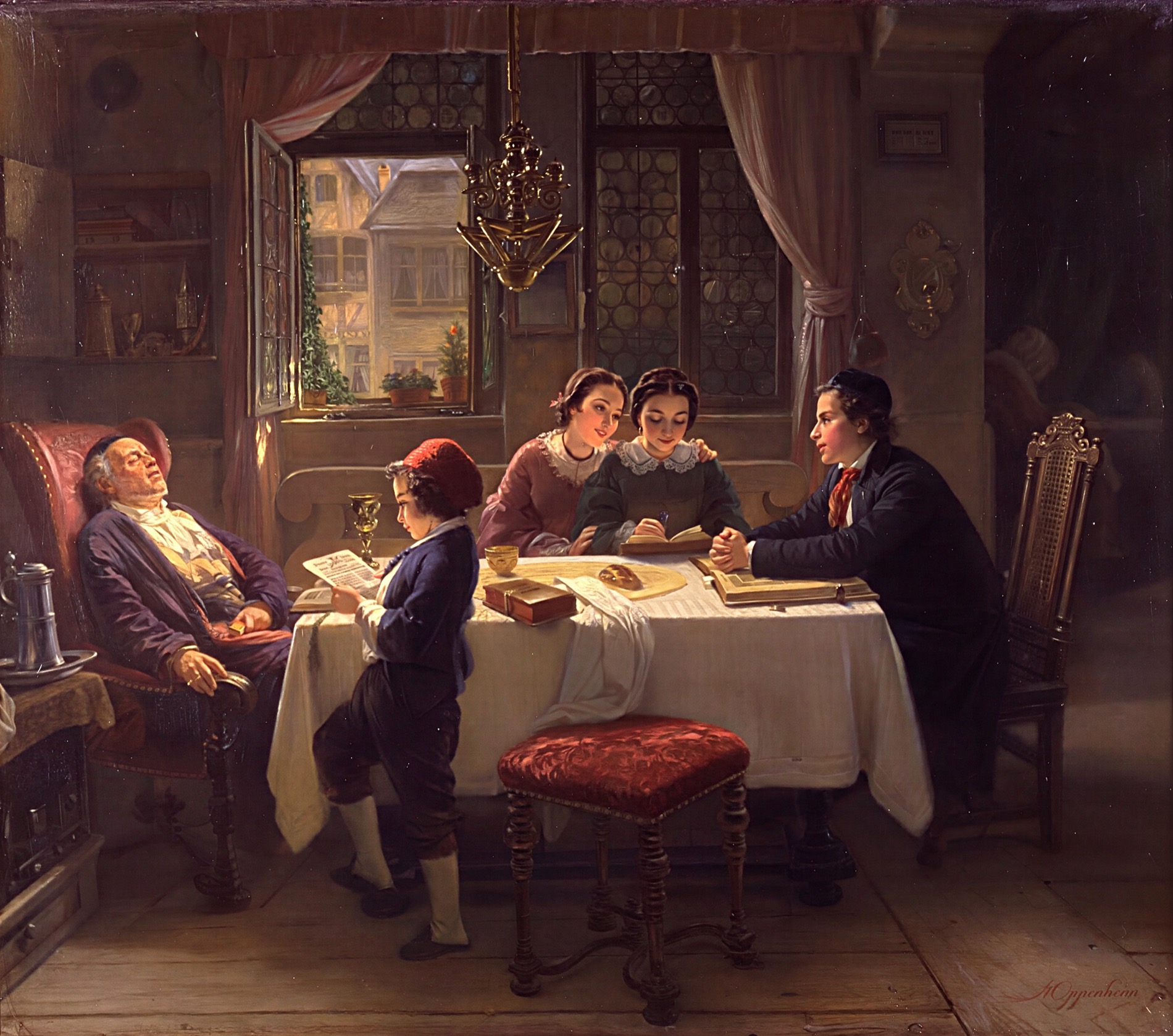
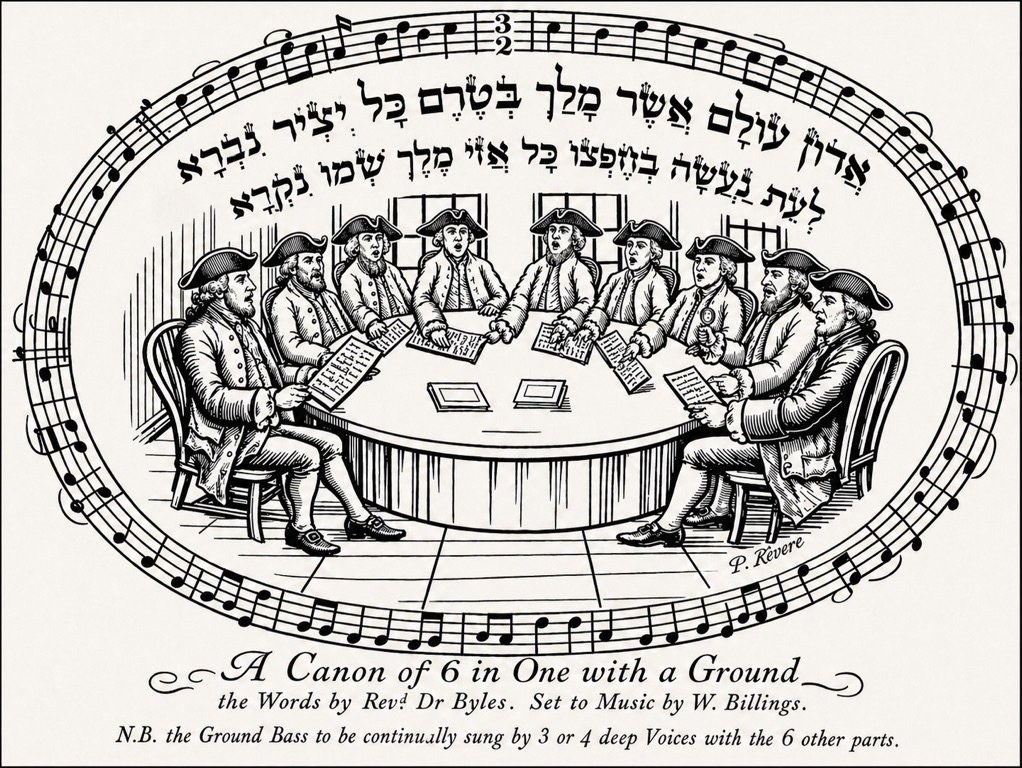
Colonial Harmonies
Western Sephardic liturgy set to William Billings tunesA project bridging the earliest liturgical music of Colonial America — William Billings’s Protestant hymns and psalmody — with the world of Luis Moses Gomez, first Parnas (President, CFO) of Shearith Israel and builder of the Mill House on the Hudson. New arrangements of Hebrew liturgical texts set to Billings tunes, with the Choir of Lauderdale Road Synagogue in London under Hazan Adam Musikant and Choirmaster Jason Silver.
Open project →