
לַמְנַצֵּחַ בִּנְגִינוֹת
Lamnatzeaḥ Binginot
Psalm 67 — the “Menorah Psalm”
Sung by Hazzan Daniel Halfon and family. A Western Sephardi home recording.
Text & translation
לַמְנַצֵּחַ בִּנְגִינֹת מִזְמוֹר שִׁיר.
Lamnatzeaḥ binginot mizmor shir.
For the leader; with stringed instruments. A psalm, a song.
אֱלֹהִים יְחָנֵּנוּ וִיבָרְכֵנוּ יָאֵר פָּנָיו אִתָּנוּ סֶלָה.
Elohim yeḥonnenu vivarekhenu, ya’er panav ittanu sela.
May God be gracious to us and bless us, and make the divine face shine upon us — selah —
לָדַעַת בָּאָרֶץ דַּרְכֶּךָ בְּכָל גּוֹיִם יְשׁוּעָתֶךָ.
lada’at ba’aretz darkekha, bekhol goyim yeshu’atekha.
that Your way be known on earth, Your salvation among all nations.
יוֹדוּךָ עַמִּים אֱלֹהִים יוֹדוּךָ עַמִּים כֻּלָּם.
Yodukha ʿammim Elohim, yodukha ʿammim kullam.
Let the peoples praise You, O God; let all the peoples praise You.
יִשְׂמְחוּ וִירַנְּנוּ לְאֻמִּים כִּי תִשְׁפֹּט עַמִּים מִישׁוֹר וּלְאֻמִּים בָּאָרֶץ תַּנְחֵם סֶלָה.
Yismeḥu virannenu le’ummim, ki tishpot ʿammim mishor, ul’ummim ba’aretz tanḥem sela.
Let nations be glad and sing for joy, for You judge the peoples with equity and guide the nations on earth — selah.
יוֹדוּךָ עַמִּים אֱלֹהִים יוֹדוּךָ עַמִּים כֻּלָּם.
Yodukha ʿammim Elohim, yodukha ʿammim kullam.
Let the peoples praise You, O God; let all the peoples praise You.
אֶרֶץ נָתְנָה יְבוּלָהּ יְבָרְכֵנוּ אֱלֹהִים אֱלֹהֵינוּ.
Eretz natena yevulah, yevarekhenu Elohim Eloheinu.
The earth has yielded its harvest; God, our God, will bless us.
יְבָרְכֵנוּ אֱלֹהִים וְיִירְאוּ אוֹתוֹ כָּל אַפְסֵי אָרֶץ.
Yevarekhenu Elohim, veyire’u oto kol afsei aretz.
God will bless us, and all the ends of the earth will revere God.
Psalm 67 in full.
About this song
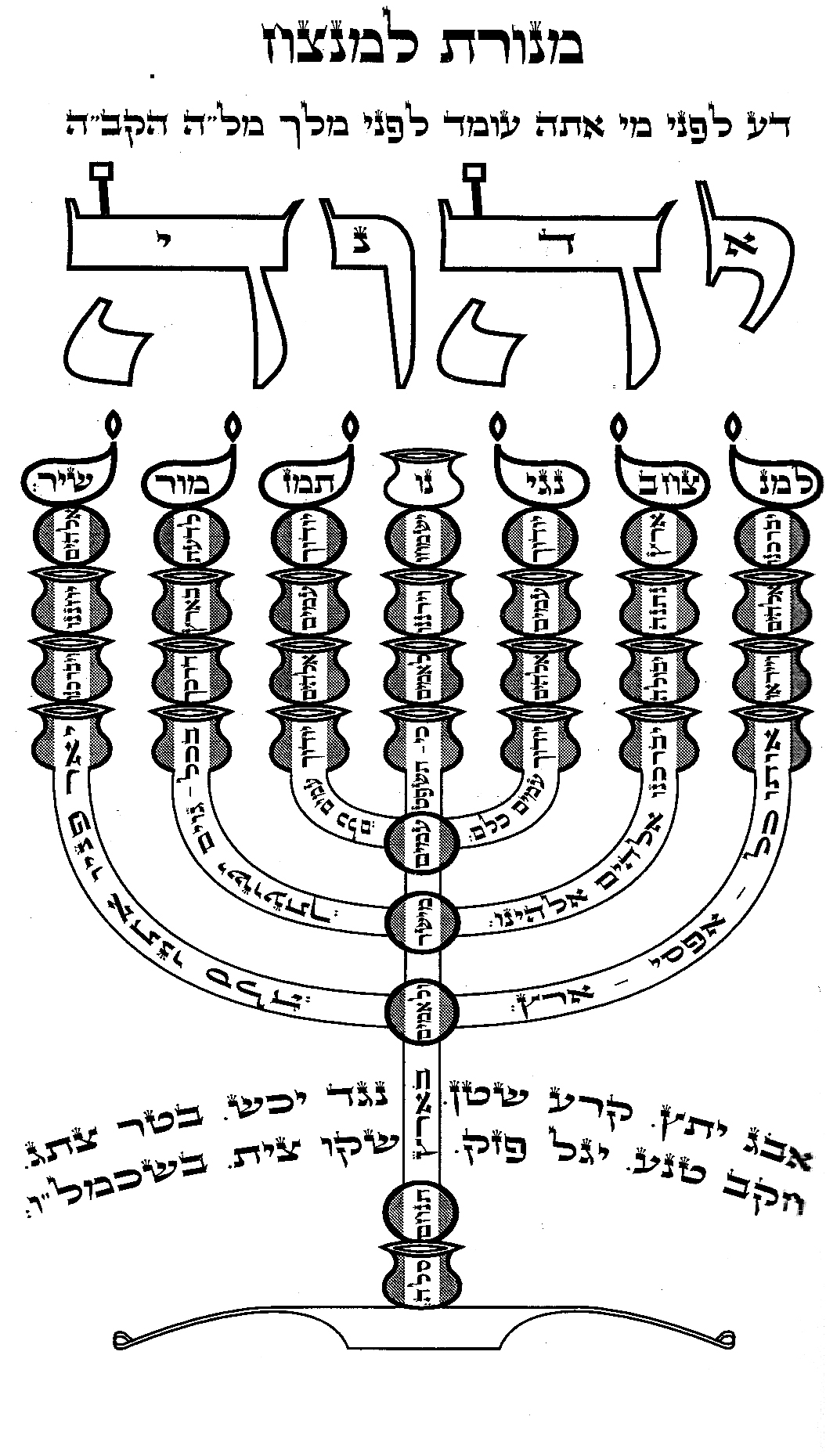
Psalm 67, recited at the close of Shabbat and within the Sephardic daily order, and traditionally written in the shape of the Menorah.
Its seven verses move outward from Israel to all the nations — a prayer that the earth yield its blessing and that every people come to praise God.
In the living tradition
These are not museum pieces. The same songs are sung today at Kehillah Kedoshah Zikhron Zvi, the egalitarian Western Sephardi congregation of the Hudson Valley — the community at the endpoint of the Program’s Sephardi Liturgy project.