
לְכָה דוֹדִי
Lekha Dodi
“Come, my Beloved” — welcoming the Sabbath bride
Kabbalat Shabbat · Solomon Alkabetz
Music · The Western Sephardi Rite
נְעִימוֹת הַתְּפִלָּה
The liturgical music of the Spanish and Portuguese Jews — psalms, piyyutim, and the great prayers of Sabbath, festival, and the Days of Awe — recorded by Hazzan Daniel Halfon.
If At the Sephardi Table gathers the songs of the Western Sephardi home, this companion gathers the music of the synagogue: the psalms, piyyutim, Kaddishim, and great prayers of Sabbath, festival, and the Days of Awe, in the rite of the Spanish and Portuguese Jews of Amsterdam, London, and New York.
The recordings are the work of Hazzan Daniel Halfon, who in his Multitrack Recordings project sings every line himself — melody and harmony — and layers them into a single chorus of one voice. There are 268 recordings here, across more than a hundred and seventy pieces and their community variants. They are offered freely, in the public domain; we present them with full credit and deep gratitude. A selection carries some representative Hebrew text, transliteration, and a non-gendered English translation; the rest are here to be heard.
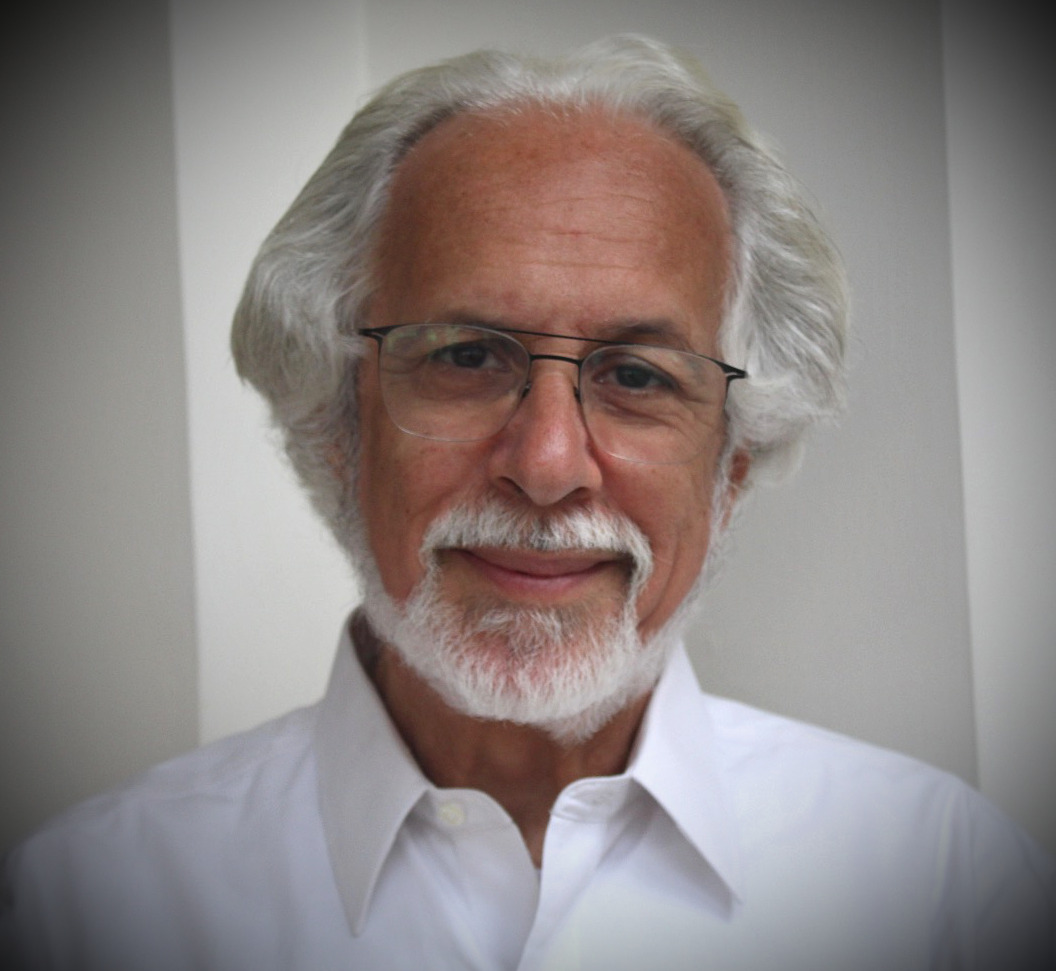
Hazzan Daniel Halfon
Born in London in 1955, Daniel Halfon grew up in the city’s historic Spanish and Portuguese community and trained under the hazzanim Abraham Beniso, Halfon Benarroch, and Eliezer Abinun. A classical baritone — he studied voice in New York with Neil Semer and was coached by Kenneth Newbern, and in Jerusalem with Jay Shir — he moved to New York in 1978 to serve as assistant hazzan at Congregation Shearith Israel, the oldest Jewish congregation in North America.
For eighteen years he was hazzan of the Yad Harav Nissim Synagogue in Jerusalem, and in 2004 he founded the Kolot HaEsnoga Singers, which he still conducts. He is among the foremost interpreters, teachers, and documentarians of the Western Sephardi liturgical tradition. danielhalfon.com
On record
Halfon’s commercially available double album of the Western Sephardi rite: fifty pieces in new arrangements by Raymond Goldstein, sung with male chorus and chamber ensemble under Azi Schwartz, and issued by the Feher Jewish Music Center in Tel Aviv with a 200-page bilingual booklet of essays, texts, and composer biographies. Disc one carries the Sabbath and Rosh Hashanah; disc two, Yom Kippur and the Pilgrimage Festivals.
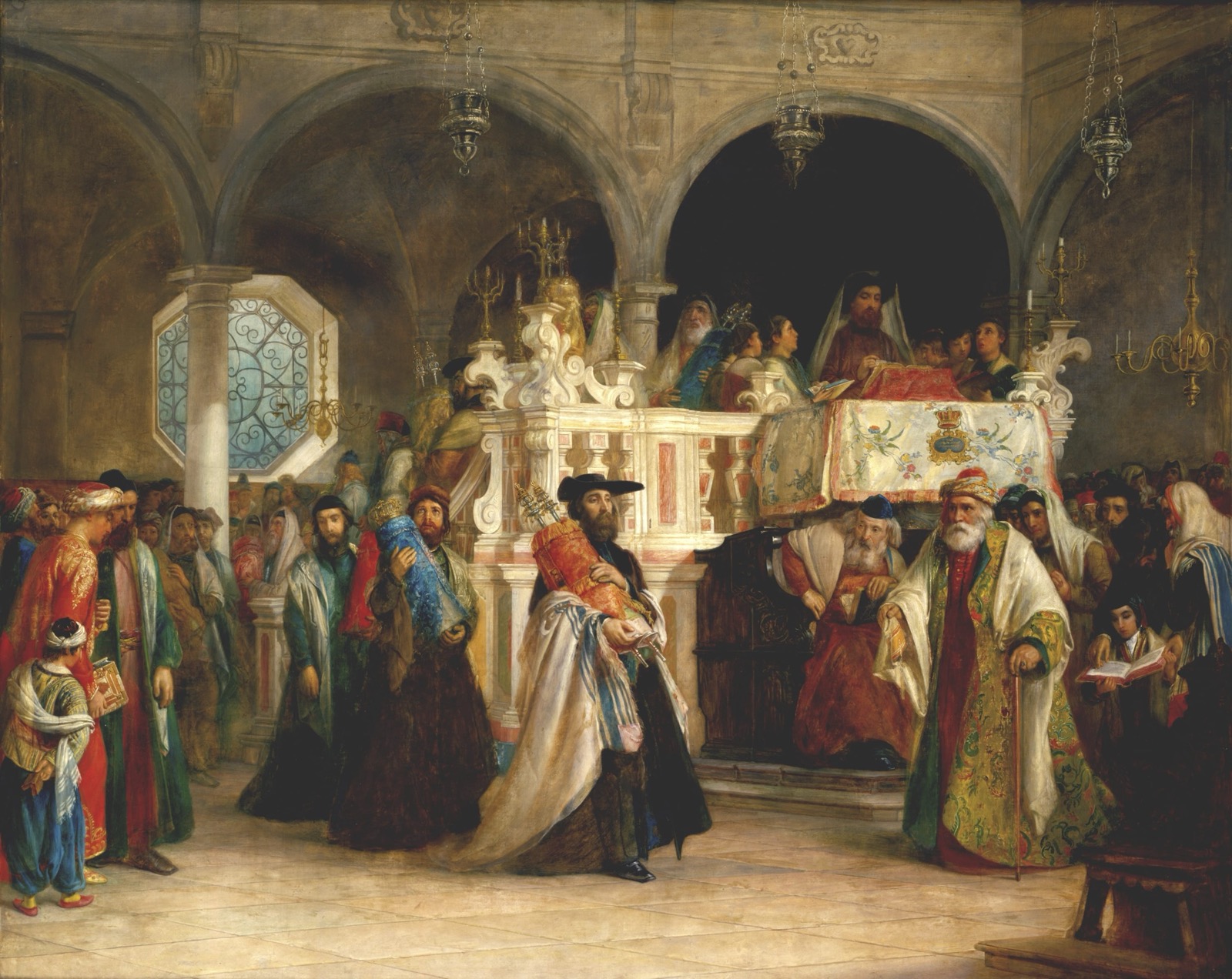
Banner: Solomon Alexander Hart, The Feast of the Rejoicing of the Law at the Synagogue in Leghorn, Italy, 1850.
A selection presented in full — Hebrew, transliteration, and a non-gendered translation. Press play to listen, or open any for its text.
לְכָה דוֹדִי
Lekha Dodi
“Come, my Beloved” — welcoming the Sabbath bride
Kabbalat Shabbat · Solomon Alkabetz
יָהּ רִבּוֹן
Yah Ribon
“God, Sovereign of all worlds” — an Aramaic table-hymn
Sabbath table · Israel Najara
צוּר מִשֶּׁלּוֹ
Tsur Mishelo
“The Rock of whose food we have eaten” — a sung grace
Grace after meals · anonymous, medieval
דְּרוֹר יִקְרָא
Deror Yikra
“Freedom shall be proclaimed” — Dunash ben Labrat
Sabbath table · Dunash ben Labrat
כִּי אֶשְׁמְרָה שַׁבָּת
Ki Eshm’rah Shabbat
“If I keep the Sabbath” — Abraham Ibn Ezra
Sabbath table · Abraham Ibn Ezra
מִזְמוֹר שִׁיר לְיוֹם הַשַּׁבָּת
Mizmor Shir l’Yom haShabbat
Psalm 92 — “A song for the Sabbath day”
Psalm 92 · the Sabbath psalm
יְיָ רֹעִי
Adonai Roʿi
Psalm 23 — “God is my shepherd”
Psalm 23 · the third Sabbath meal
מִמַּעֲמַקִּים
Mima‘amakim
Psalm 130 — “Out of the depths”
Psalm 130 · a Song of Ascents
שָׂמַחְתִּי
Samaḥti
Psalm 122 — “I rejoiced”
Psalm 122 · a Song of Ascents
וְשָׁמְרוּ
V’shamru
“They shall keep the Sabbath” — Exodus 31
Exodus 31:16–17 · the sign of the Sabbath
וַיְכֻלּוּ
Vaykhulu
“And the heavens were completed” — Genesis 2
Genesis 2:1–3 · the Friday-evening sanctification
All 268 recordings, by piece (with their community and melody variants). Press any button to listen.
In the living tradition
This music is the prayer of a living rite. It is sung today at Kehillah Kedoshah Zikhron Zvi, the egalitarian Western Sephardi congregation of the Hudson Valley — the community at the endpoint of the Program’s Sephardi Liturgy project.
Your gift sustains financial aid for our travel seminars, public lectures, language teaching, and the Sefer Torah restoration. Use designation DA059 – Jewish Studies.